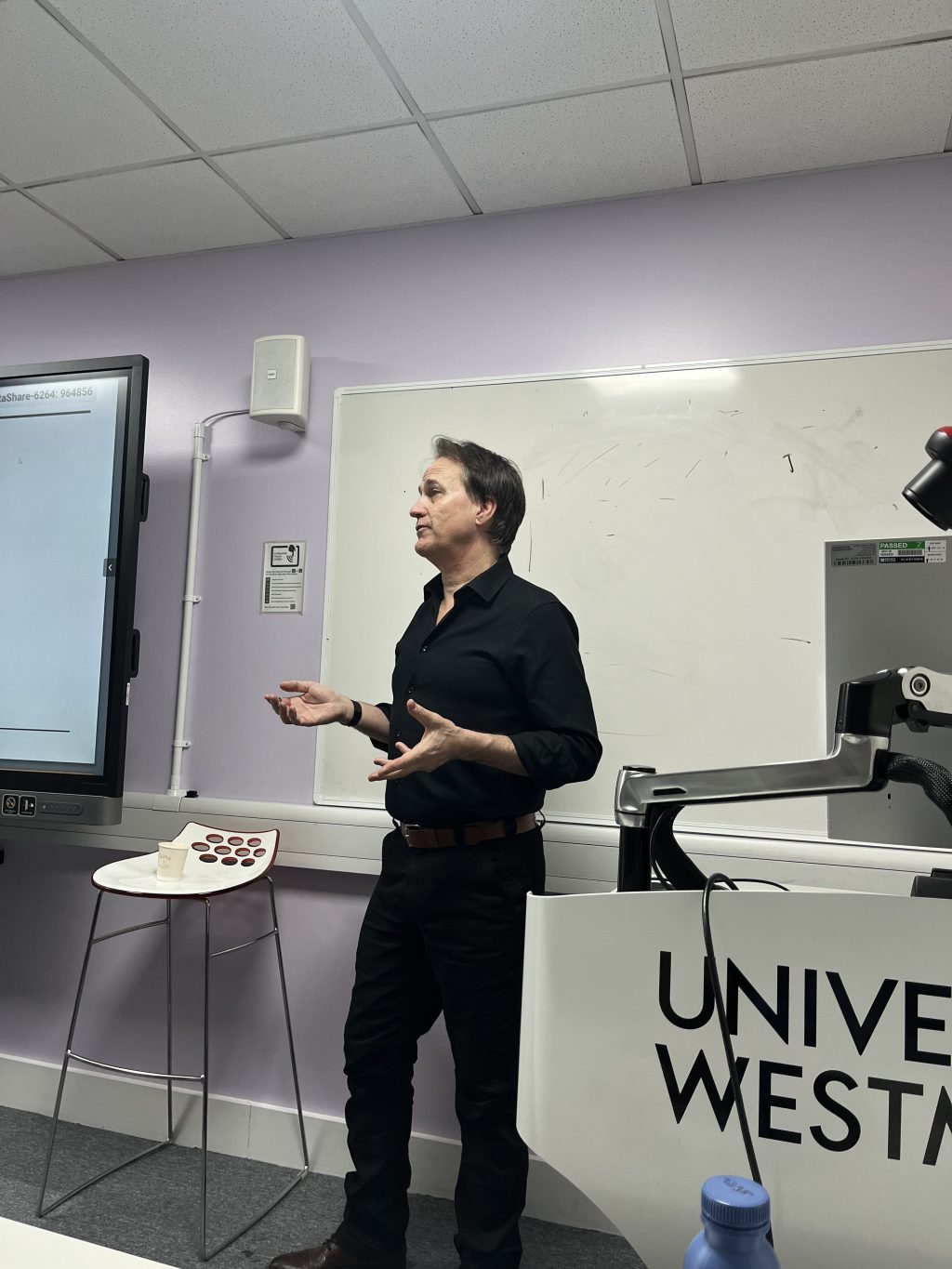
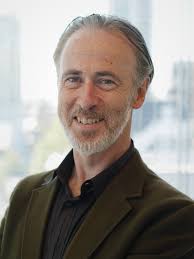
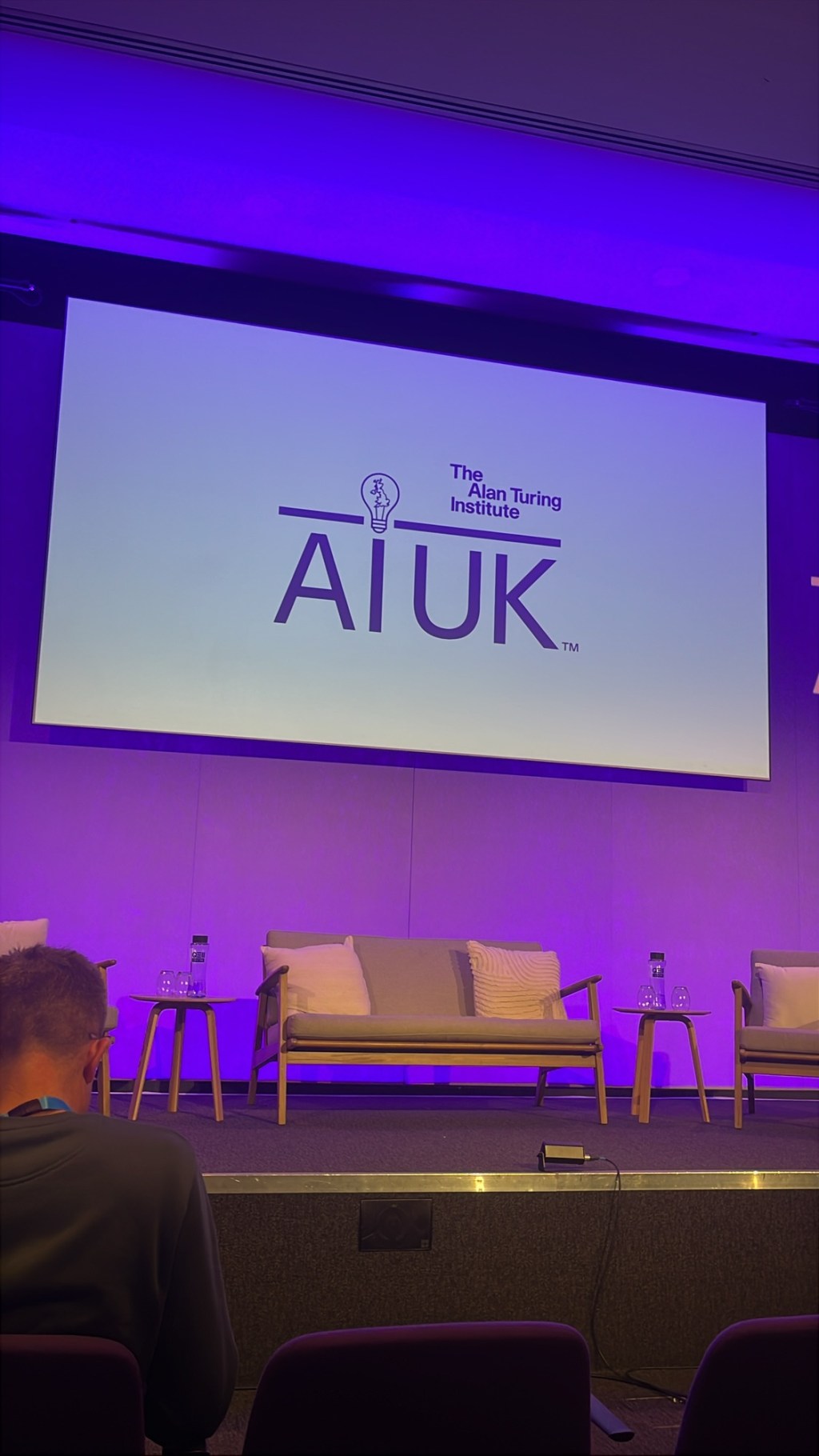
The world of drug development is daunting. It’s a field where innovation comes at the cost of billions of dollars, decades of effort, and countless failures. At the University of Westminster, Paul Agapow—a person whose career spans everything from molecular evolution to crunching numbers in big pharma—unpacked both the promise of AI in this complex field and offered sage advice for those starting their journeys in the life sciences.
A Quest for Smarter Solutions
To create a drug, Agapow explained, you need to know “everything about everything.” From identifying molecular targets to testing tolerability in clinical trials and ensuring scalability in manufacturing, the process is a labyrinth of interconnected challenges. On average, it takes over a decade and costs more than $2 billion to bring a drug to market. And it’s only getting harder.
“Biology and disease,” Agapow pointed out, “are outrageously complex.” Compounding this is the fact that much of the “low-hanging fruit” in drug discovery has already been plucked. We now face a future of ageing populations, multi-morbidity, and rare diseases that defy traditional approaches. Enter AI, the shiny new tool that promises to revolutionise everything. Or does it?
The Rise and Stumbles of AI
AI is often touted as the saviour of drug development. Its ability to process immense datasets and uncover patterns invisible to human eyes seems tailor-made for the field. Agapow was cautiously optimistic: AI doesn’t have to be perfect; it just has to be better than the status quo. Even modest improvements in efficiency or effectiveness could translate to significant savings and faster timelines.
But optimism must be tempered with realism. Agapow recounted the case of IBM Watson, which promised to transform healthcare with its AI capabilities but ultimately underdelivered. Then there were the hundreds of predictive models developed during the COVID-19 pandemic—most of which failed to produce usable outcomes due to biased data, poor reproducibility, and overfitting.
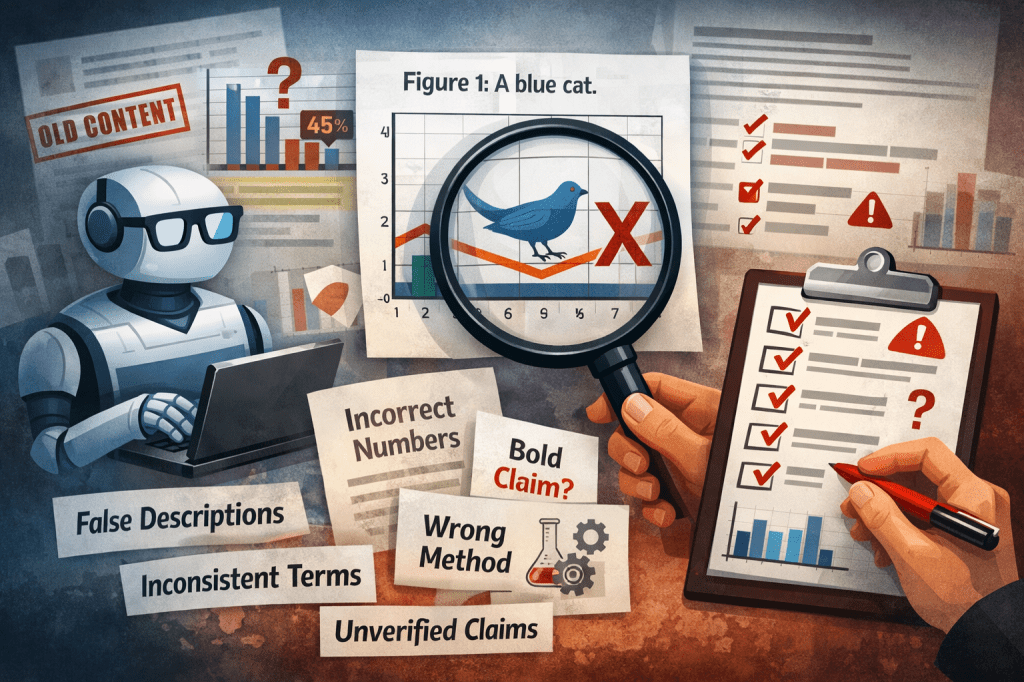
“Any machine learning algorithm is only as good as the data it’s trained on,” Agapow warned. Unfortunately, in many cases, that data is incomplete, messy, or outright flawed.
A Beacon of Hope: Drug Repurposing
Despite these hurdles, Agapow highlighted a shining example of AI’s potential: drug repurposing. This strategy involves finding new uses for existing drugs—a practice that has given us success stories like Viagra (initially developed for angina) and minoxidil (originally a treatment for hypertension). AI excels in this domain by sifting through vast networks of biological, chemical, and clinical data to uncover hidden connections.
For instance, knowledge graphs—networks of interconnected entities like drugs, diseases, and proteins—can reveal relationships that might otherwise remain invisible. Agapow cited the example of CoV-KGE, an AI-driven project that analysed millions of research papers to identify potential COVID-19 treatments. While not all efforts yield immediate results, the potential for AI to systematically transform drug repurposing remains undeniable.
The Bigger Picture
For all its promise, AI in drug development is not a magic bullet. Data limitations, gaps in biological understanding, and the human tendency to overpromise and underdeliver still pose significant barriers. But Agapow urged his audience to remain hopeful. “Be sceptical but hopeful,” he said, emphasising that progress is a marathon, not a sprint.
Career Lessons for the Next Generation
Agapow’s lecture wasn’t just about the future of drug development—it was also a guide for navigating one’s own career. Speaking directly to aspiring bioinformaticians, data scientists, and health researchers, he shared practical wisdom honed through years of experience.
For those starting out, his advice was clear: the first job is always the hardest. Without a proven track record, you have to work twice as hard to stand out. Building a portfolio, gaining relevant experience, and showcasing problem-solving skills are essential. Agapow encouraged students to “fix your CV” and tailor it to each opportunity, focusing on measurable results and clear narratives.
He also underscored the importance of networking. “The best way to get a job,” he said, “is through your network.” Whether it’s through internships, social media visibility, or simply asking around, connections often open doors that would otherwise remain closed.
A Career in Bio-X: A Journey, Not a Destination
Agapow painted a picture of careers in the life sciences as anything but linear. “Careers are zig-zags, not straight lines,” he remarked. The key is to view each role as a stepping stone, one that equips you with new skills, insights, and relationships. He urged students to focus less on finding the perfect job and more on finding one that brings them closer to their goals.
And above all, he encouraged resilience. “Don’t waste time on self-pity,” he advised. The job search is a noisy, random process, but with persistence and a strategic approach, success is within reach.
Final Thoughts
Paul Agapow’s lecture was both a cry for innovation and a roadmap for personal and professional growth. He left his audience with a profound sense of possibility: AI might not be a panacea for drug development, but it offers a powerful set of tools to tackle some of its toughest challenges. Likewise, a career in bioinformatics or health data science might not always be straightforward, but with the right mindset and approach, it can be deeply rewarding.
For those ready to dive into these worlds, Agapow’s parting message was clear: be sceptical, be hopeful, and above all, be ready to solve business problems. The future, after all, belongs to the curious and the determined.





















Leave a comment