
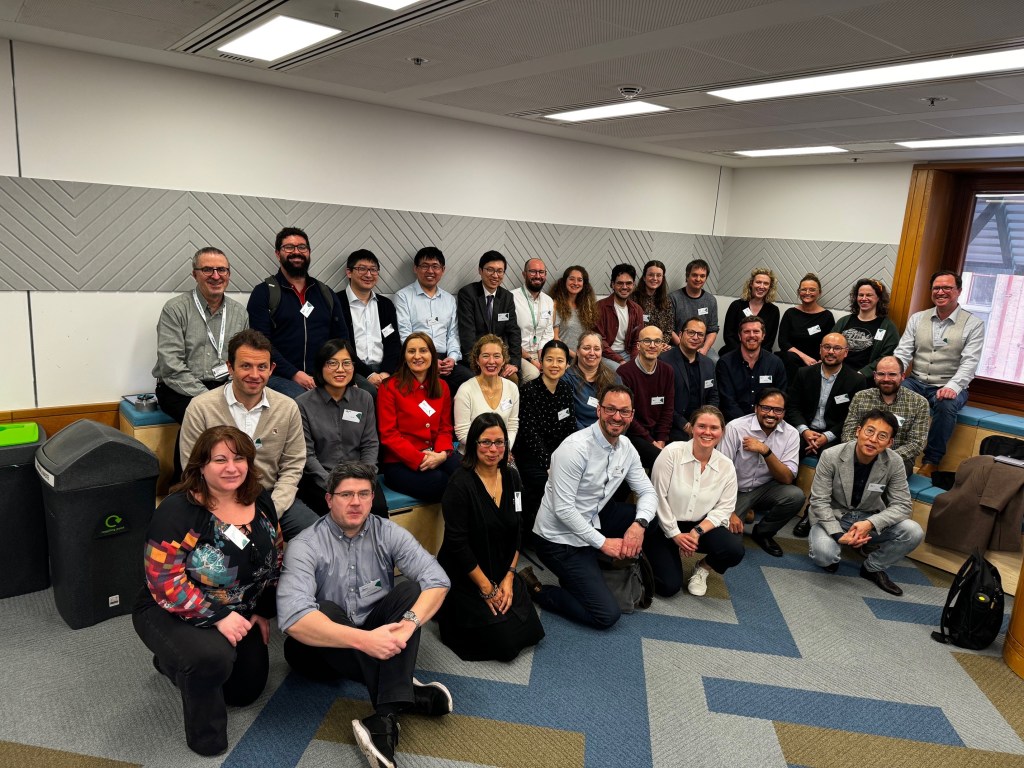
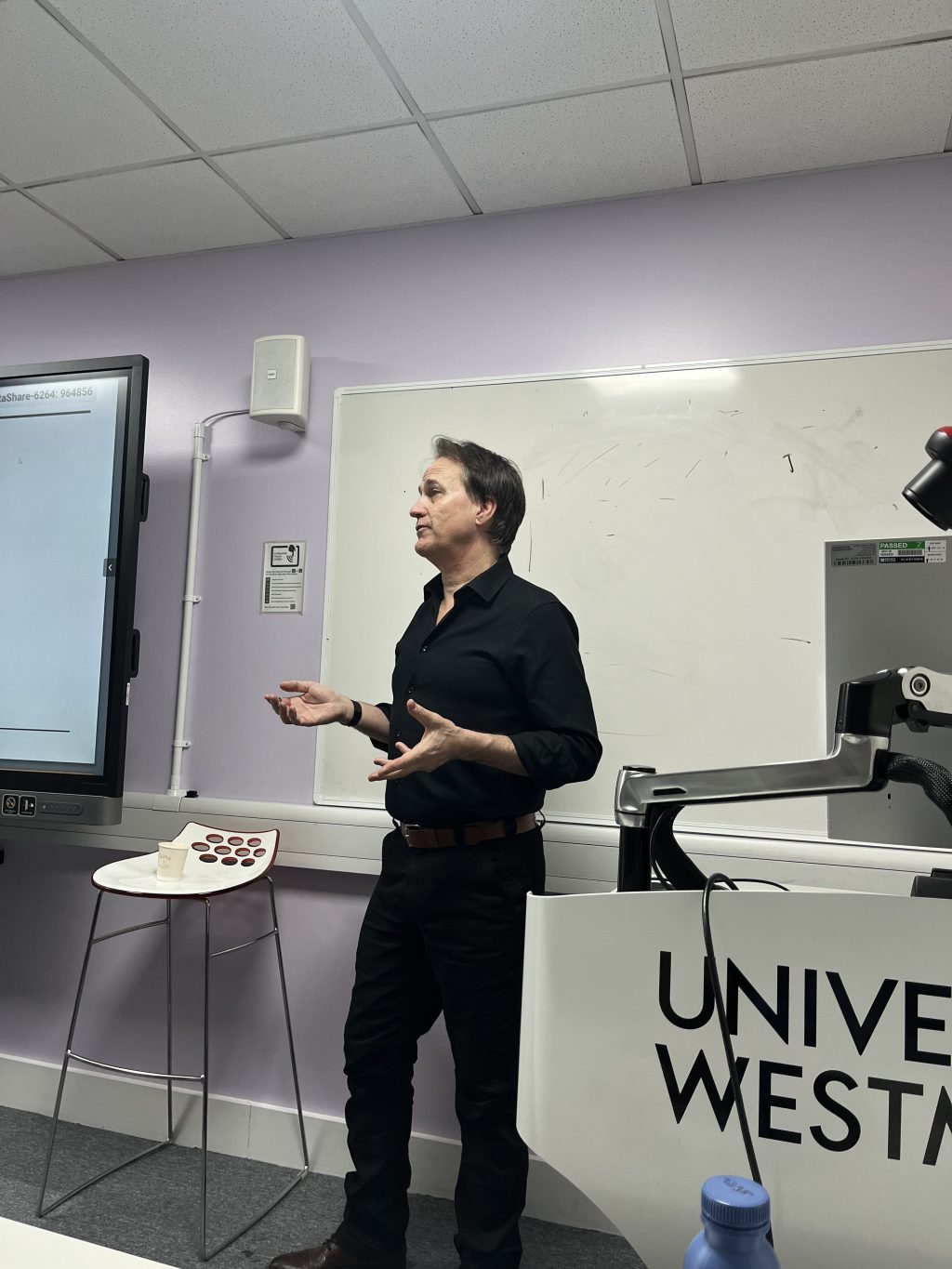
Today I presented ClawBio at DoraHacks Demo Day at Imperial College London. This was our first public demo since launching one week ago.
The full recording is below: 7 minutes of live demo, no slides, just terminal and results.
Watch the full 7-minute demo on YouTube
What is ClawBio?
ClawBio is the first bioinformatics-native AI agent skill library, built on OpenClaw (180,000+ GitHub stars). It packages published research methods as installable, composable skills for reproducible bioinformatics.
The core insight: computational biology has a reproducibility crisis. 26% of published papers cannot be reproduced without contacting the original authors. The methods sections of papers are not executable. The code, when it exists, is often broken, undocumented, or locked behind bespoke environments.
ClawBio solves this by turning published methods into skills: each one an executable unit with pinned dependencies, reproducibility bundles (commands.sh, environment.yml, SHA-256 checksums), and safety guardrails.
Why this matters clinically
This is not an academic exercise. Consider pharmacogenomics:
- 7% of the population are CYP2D6 poor metabolisers. They process common drugs like codeine and tamoxifen differently, sometimes dangerously.
- 0.5% carry DPYD variants that make standard chemotherapy doses lethal.
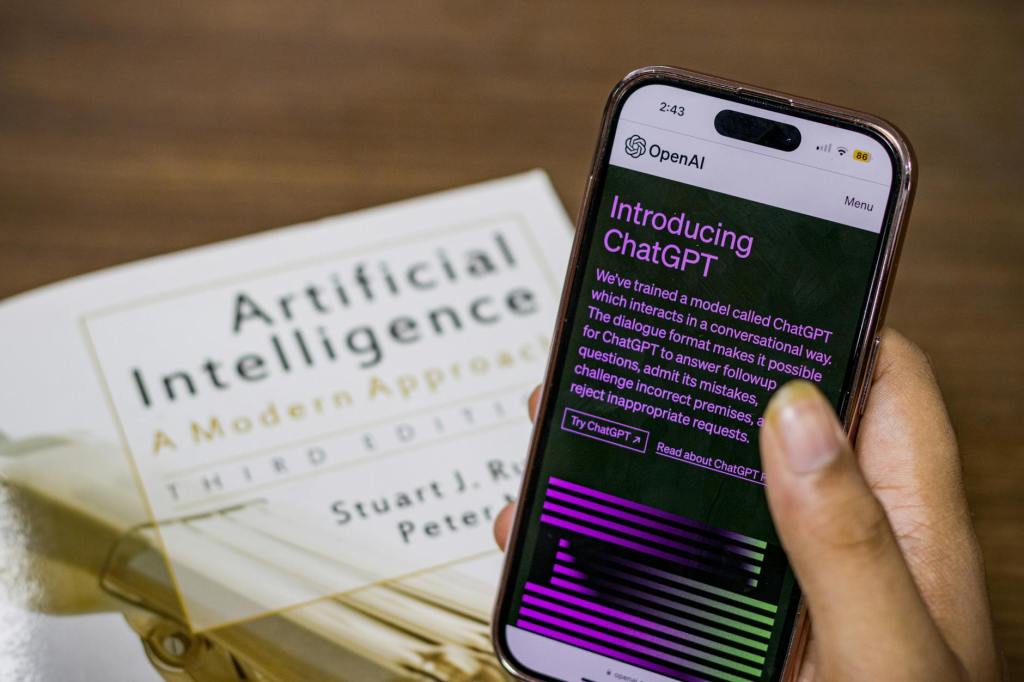
- When we tested ChatGPT on pharmacogenomic classification, it hallucinated star allele assignments. In a clinical context, that is a prescribing error.
ClawBio’s PharmGx skill uses expert-curated CPIC guidelines, not LLM generation. The AI routes you to the right skill. The skill does the science. No hallucination in the critical path.
What we demonstrated
In the 7-minute demo at Imperial, we showed:
- The skill library: 21 skills across pharmacogenomics, genomic equity, metagenomics, and single-cell RNA analysis. 14 production-ready.
- Live PharmGx execution: 12 genes, 51 drugs, CPIC-level guidance generated in under 1 second. Complete with reproducibility bundle.
- Intelligent routing: Two different queries routed through FLock open-source models at 95% confidence each reaching the right specialist skill automatically.
- Multi-channel agents: The same skills accessible through Telegram (RoboTerri) and WhatsApp (RoboIsaac). Two AI agents, same knowledge base.
- Drug Photo: The centrepiece, snap a photo of your medication, get a personalised dosage card based on your pharmacogenomic profile. A £79 saliva test could prevent adverse reactions that cost the NHS thousands.
One week of traction
We launched ClawBio publicly one week before this demo. In that time:
- 150+ GitHub stars
- 5,900+ page views from 2,300+ unique visitors
- 23 forks
- First community PR (NutriGx Advisor from @drdaviddelorenzo) merged in 24 hours
- Contributors from 3 countries
- 3 releases shipped (v0.2.0, v0.3.0, v0.3.1 “Agent-Friendly”)
The v0.3.1 release made ClawBio fully agent-friendly: llms.txt, AGENTS.md, catalog.json, and standardised SKILL.md files across all 21 skills. Any AI agent can discover and invoke ClawBio skills programmatically.
What’s next
Beyond bounties, ClawBio is heading toward a pre-seed round. The restaurant menu expansion, more disease areas, more skills, more contributors, is the immediate roadmap.
If you are a bioinformatician, a genomics researcher, or someone who has ever spent weeks trying to reproduce a computational biology paper: ClawBio is for you.
GitHub: github.com/ClawBio/ClawBio
Slides: clawbio.github.io/ClawBio/slides/
—
Manuel Corpas is a Senior Lecturer at the University of Westminster, Turing Fellow, and creator of ClawBio. He writes weekly about AI and global health equity.




















 Manuel Corpas
Leave a comment