
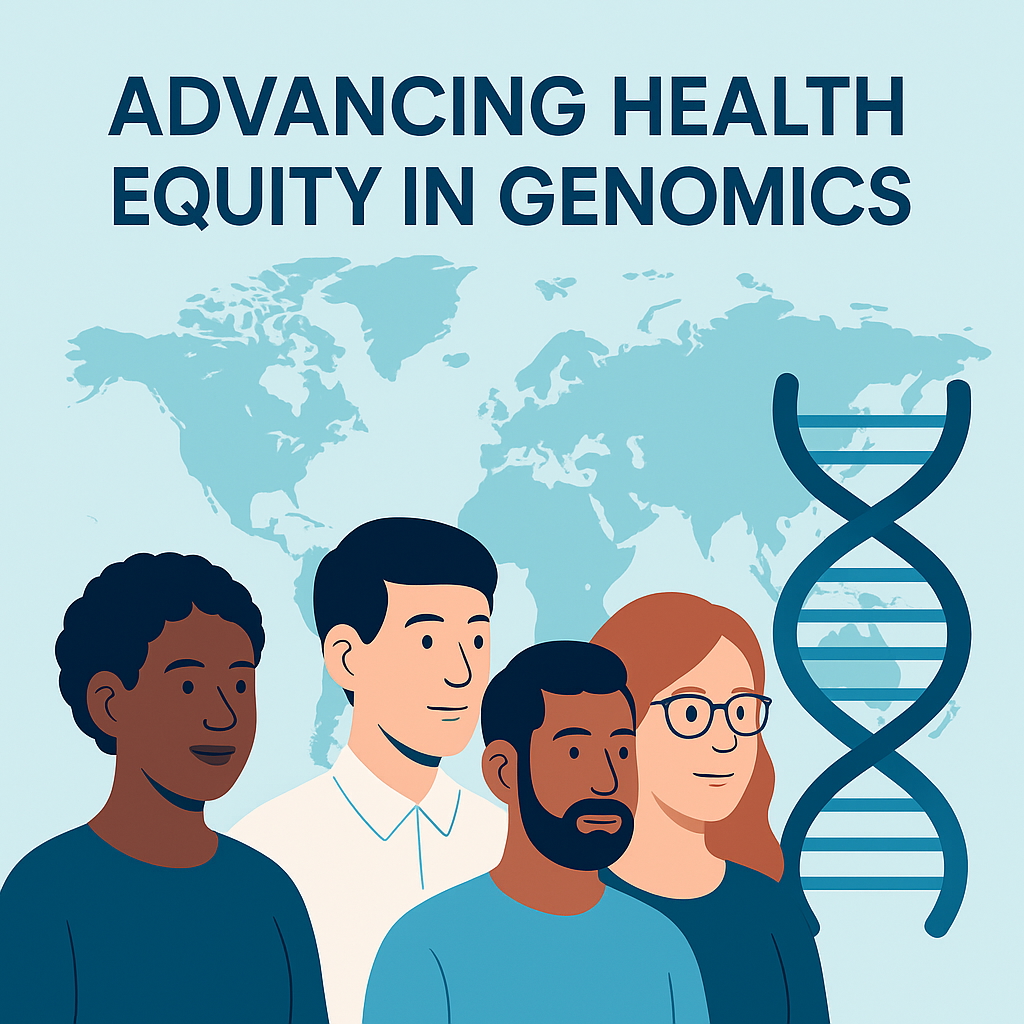
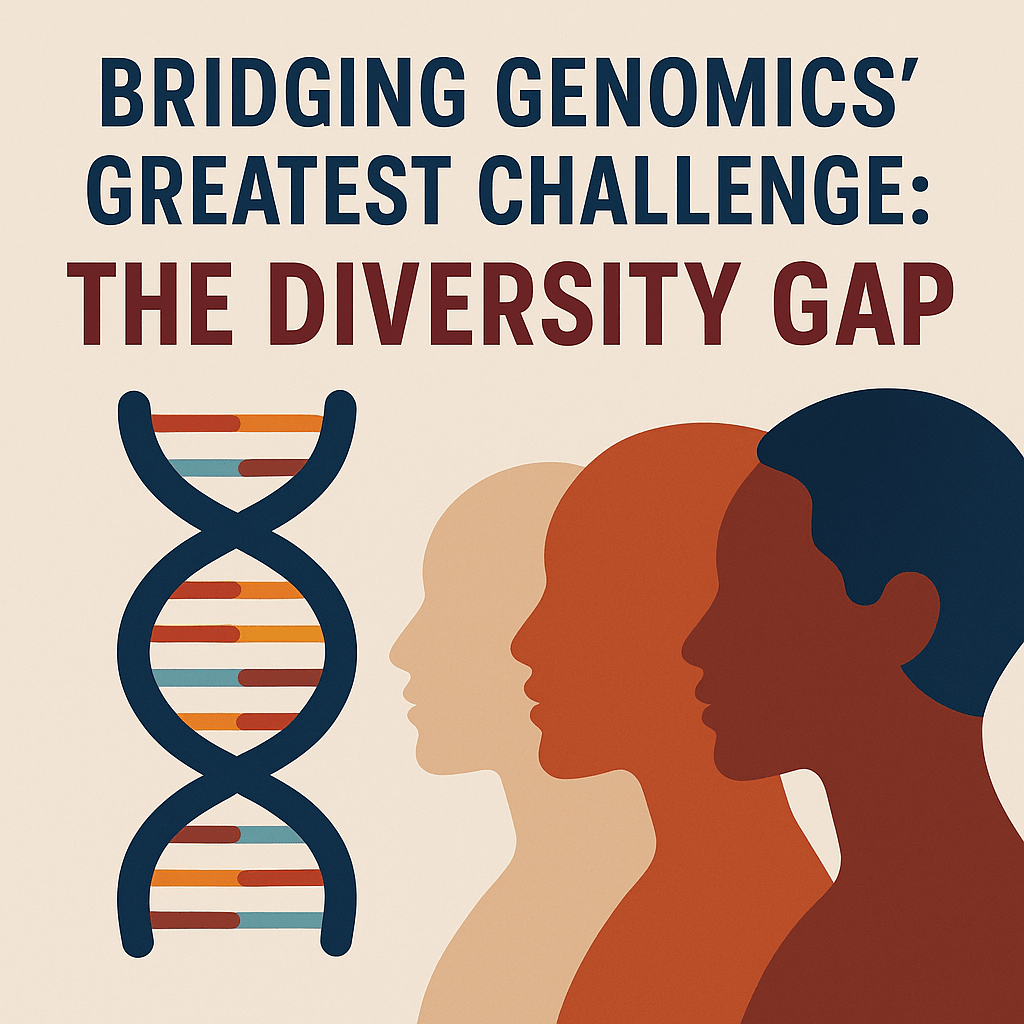
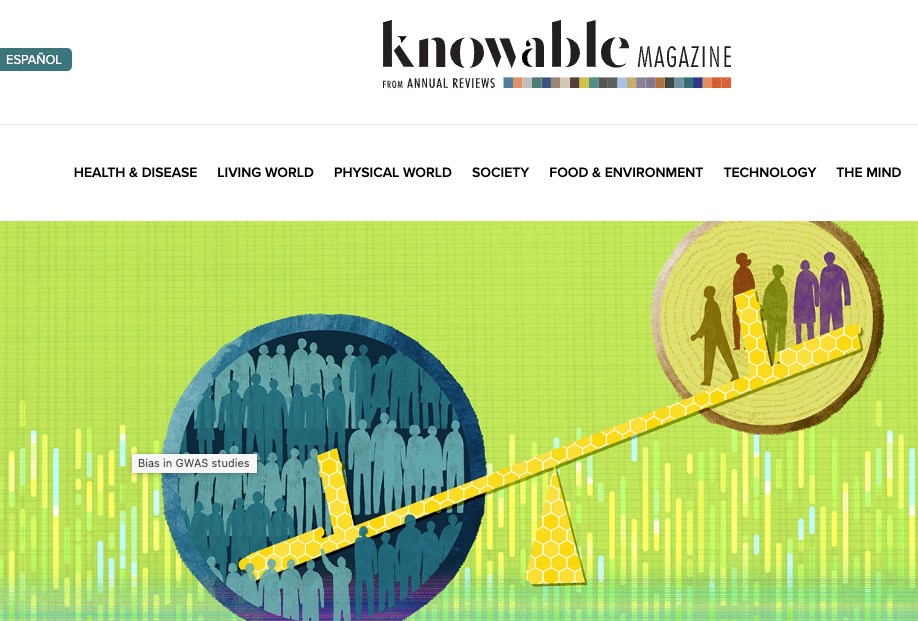
The field of genomics, a cornerstone of modern healthcare, is facing a significant challenge: the underrepresentation of diverse ancestries and sexes in global genomic datasets. This issue is not just a matter of numbers; it has profound implications for the accuracy, applicability, and fairness of genomic medicine.
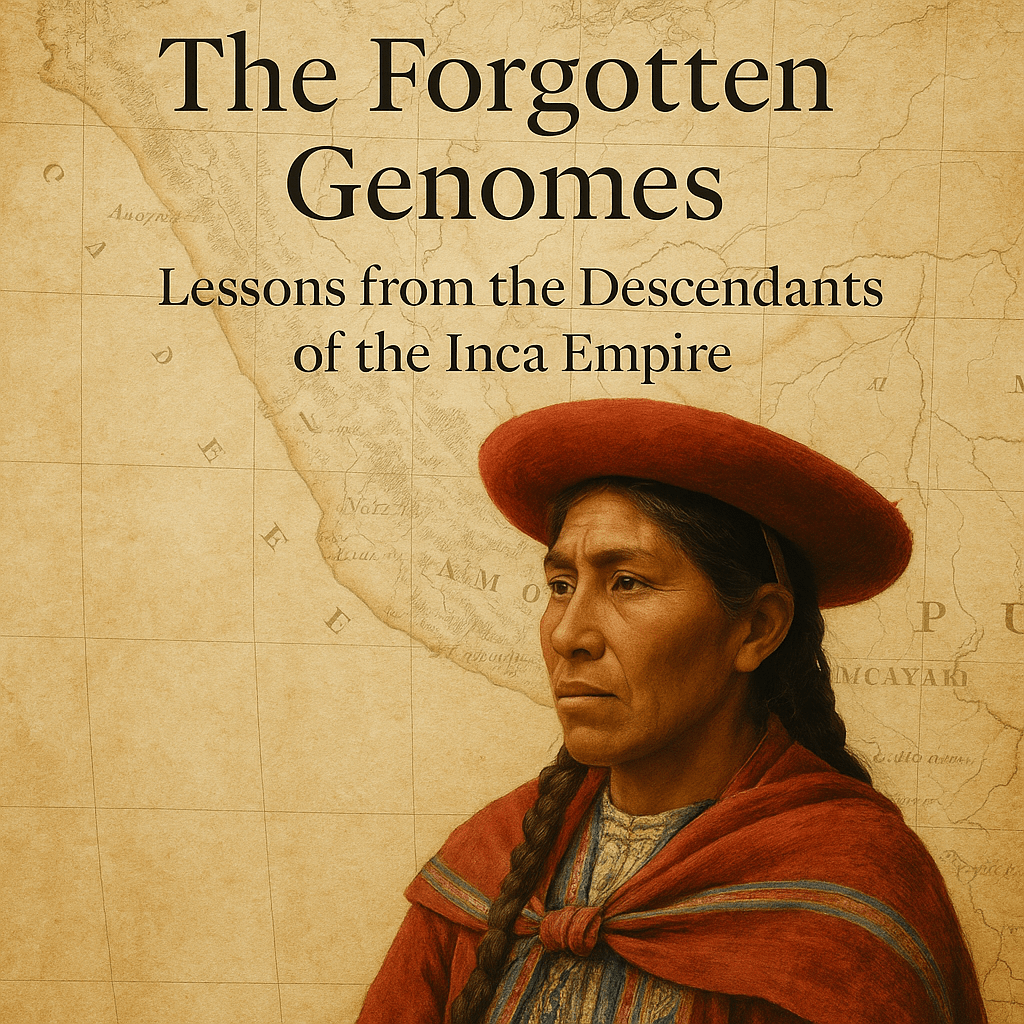
As of June 2021, an overwhelming majority of genomic studies, including genome-wide association studies (GWAS), were conducted predominantly on European populations. This imbalance has not only persisted but worsened over time, with the European share in global datasets rising from 81% in 2016 to 86% in 2021. Consequently, the representation of other ancestries has stagnated or even declined.
Diverse genomic representation is essential for creating comprehensive and accurate databases and reference panels. It ensures that the benefits of genomics are universally applicable, avoiding biases or underrepresentation of specific populations. Greater diversity enhances the accuracy and applicability of genomic information across different populations, leading to more precise diagnoses, treatments, and risk assessments for individuals from varied backgrounds.
The issue of underrepresentation extends beyond GWAS. For instance, in pharmacogenomics, genetic variability in drug metabolising enzymes has led to adverse drug reactions in Africa, particularly with drugs like codeine. Studies on warfarin, a common cardiovascular drug, show limited applicability of overanticoagulation risk predictions in non-European populations.
Women experience adverse drug reactions (ADRs) nearly twice as often as men, but their representation in clinical trials is disproportionately low. This imbalance has resulted in several drugs being withdrawn from the market due to increased health risks for women. For example, women are 33% more likely than men to suffer from chronic kidney disease, yet they constituted only 45% of participants in related clinical trials.
This bias compromises our ability to stratify high-risk individuals in underrepresented populations and risks discounting research studies due to low statistical power. It results in medical practices that are informed by and benefit only a subset of individuals. Addressing this bias involves mitigating potential harms created by scientific research and removing systemic barriers and biases. This ensures fair and just opportunities for all individuals to access scientific advancements.





































 Manuel Corpas
Leave a comment