
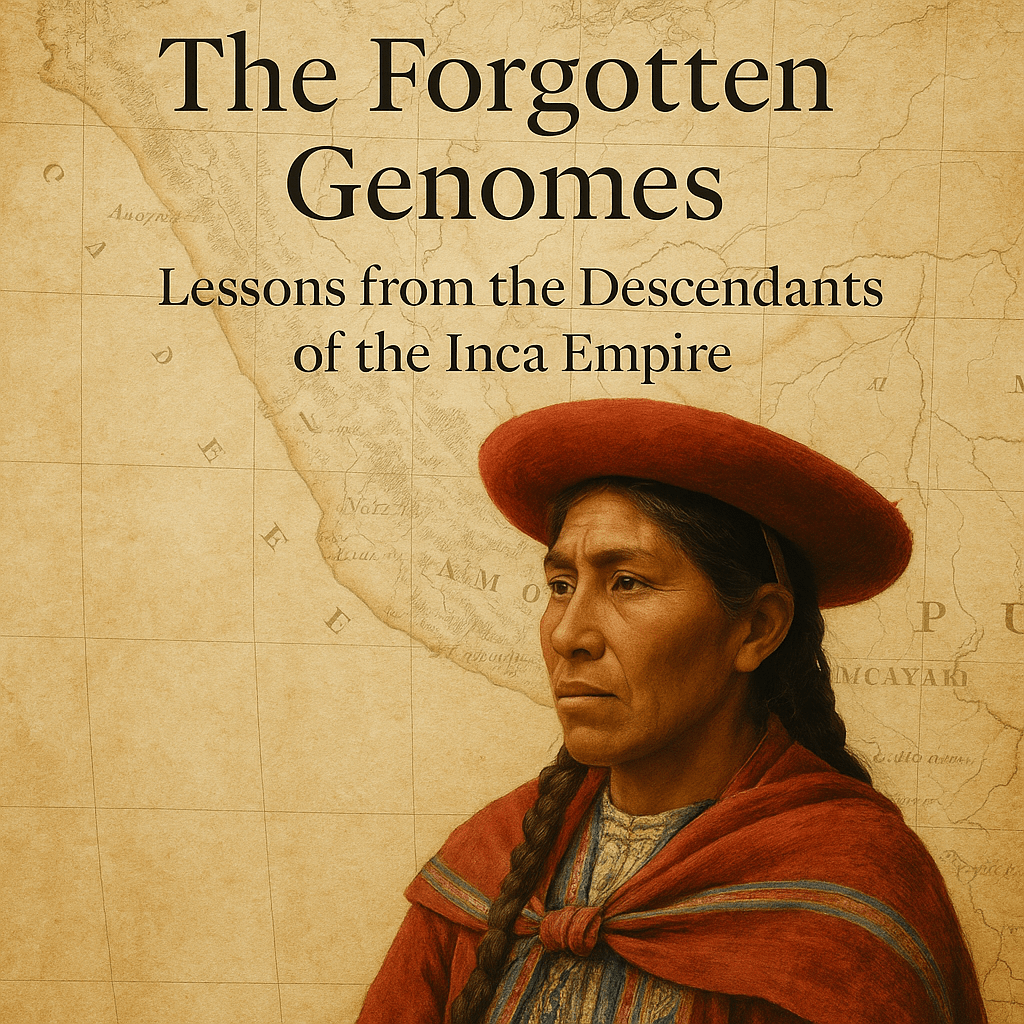
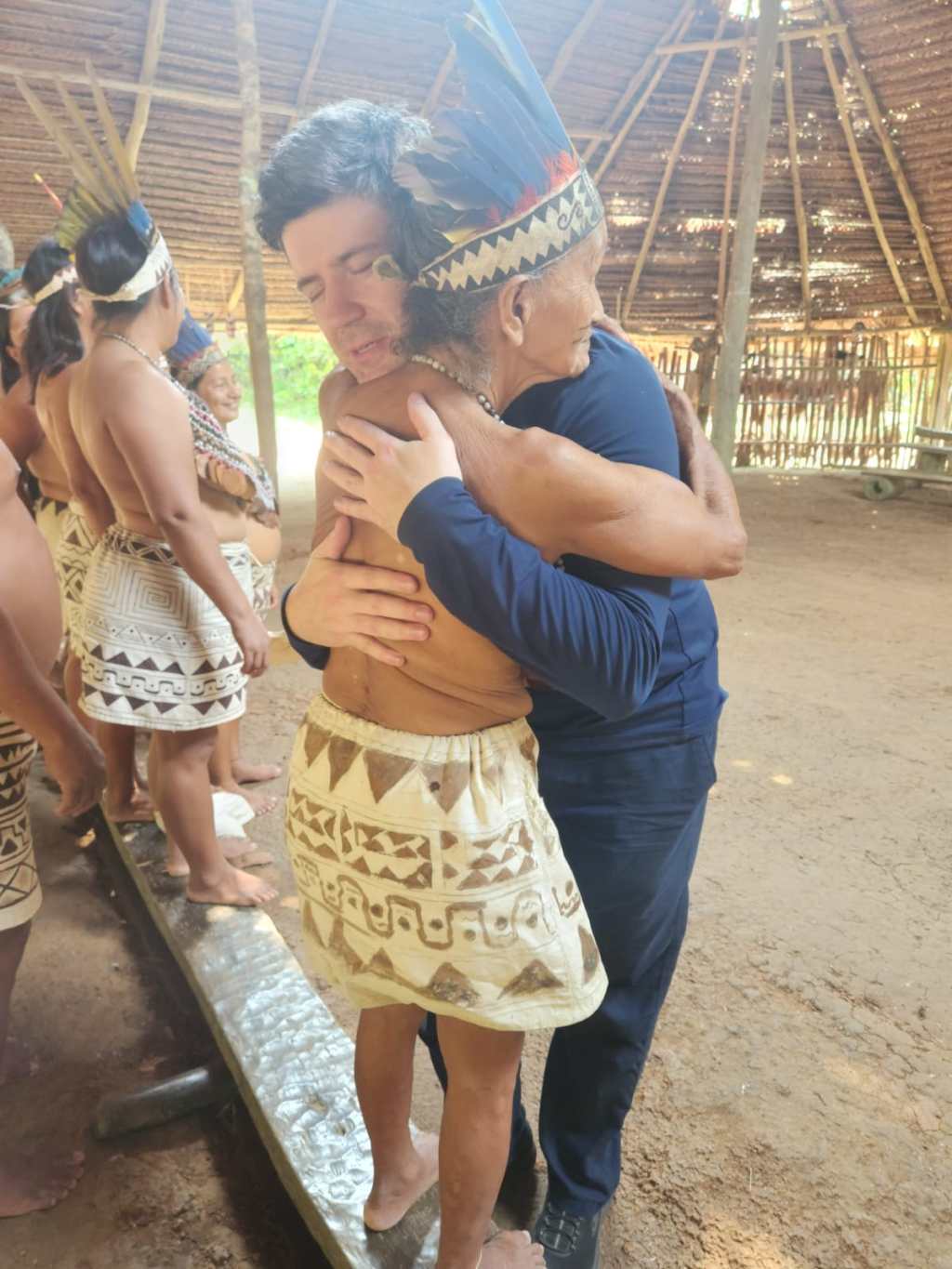
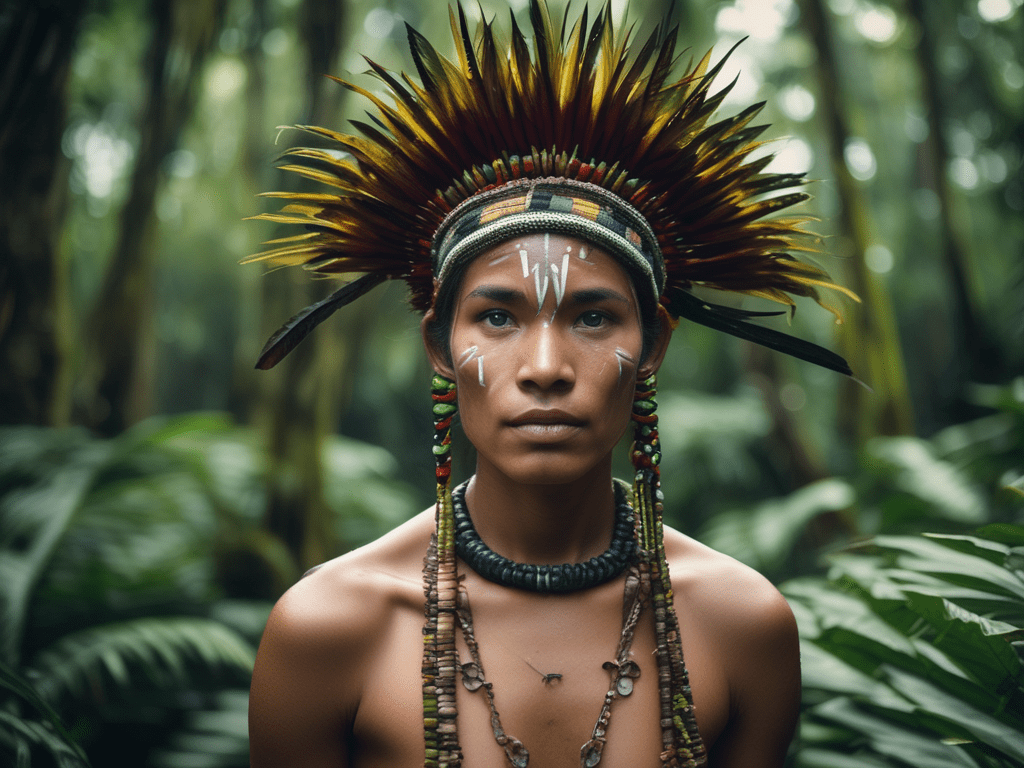
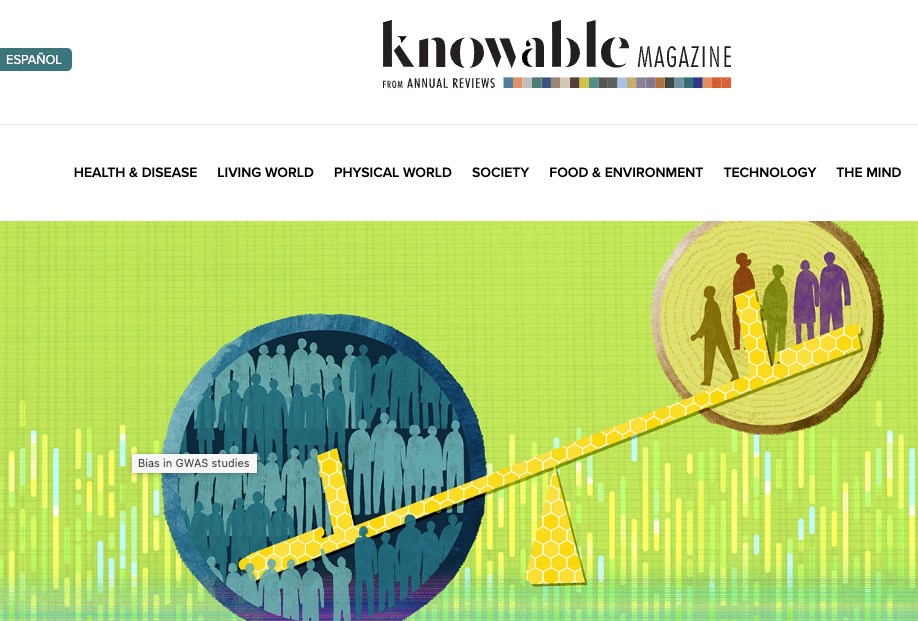
In a world where the mapping of the human genome has opened vast frontiers for medical research and personalised medicine, there remains a significant gap – the underrepresentation of Indigenous populations in global genetic databases. This is particularly true for the Indigenous populations of Peru, whose rich cultural and genetic heritage spans over 12,000 years of prehistory. These populations, including the mestizos, who originated from multiple Native American sources before mixing with African and European ancestries, provide a unique opportunity for uncovering novel genetic markers and understanding local adaptations to diverse environments.
Recent studies have taken significant strides in bridging this gap. A comprehensive analysis of 150 whole genomes of individuals from various Peruvian communities, such as the Chopccas, Matzes, Uros, and Moches, has been undertaken. This ambitious project involved sequencing genomes and a rigorous process of identifying variants. This process included excluding variants with low quality scores and those already represented in other global datasets.
The findings from this research are profound. Among the 13 million variants discovered, a substantial number were rare, not found in global datasets. This highlights the unique genetic diversity within the Peruvian population. Furthermore, a significant proportion of these variants have high impact, meaning they could potentially lead to protein truncation, loss of function, or trigger nonsense-mediated decay.
Interestingly, over 20% of these high-impact variants were found to be involved in immunity and infectious disease pathways, a revelation that could have profound implications for understanding the genetic basis of disease susceptibility and resistance in these populations. For instance, differences in ancestry might explain why the Uros community shows a greater susceptibility to tuberculosis.
The study also sheds light on pharmacogenomics, particularly in the context of coagulation and antiviral therapies. For example, variants in the F5 gene, which plays a critical role in blood clotting, showed a high occurrence rate, suggesting potential implications for treatment strategies involving blood coagulation.
This research is not just a step towards filling a crucial gap in global genetic databases; it’s a leap towards understanding the complex interplay between genetics, health, and ancestry. The insights gained from the Peruvian clinical genome can lead to more effective, personalised medical treatments and a deeper understanding of human genetic diversity. As we continue to unravel the mysteries of our genetic makeup, it’s clear that the rich tapestry of human diversity offers more than just biological information – it opens a window into our past and illuminates the path to a healthier future.
In conclusion, this study stands as a testament to the power of genetic research in uncovering the secrets hidden within our DNA. It underscores the importance of including diverse populations in genetic studies and paves the way for more inclusive research that benefits all of humanity. As we delve deeper into the world of genomics, we celebrate the invaluable contributions of indigenous populations like those in Peru, descendant of the Inca Empire, who hold the key to unlocking the mysteries of human health and disease.




























 Manuel Corpas
Leave a comment