
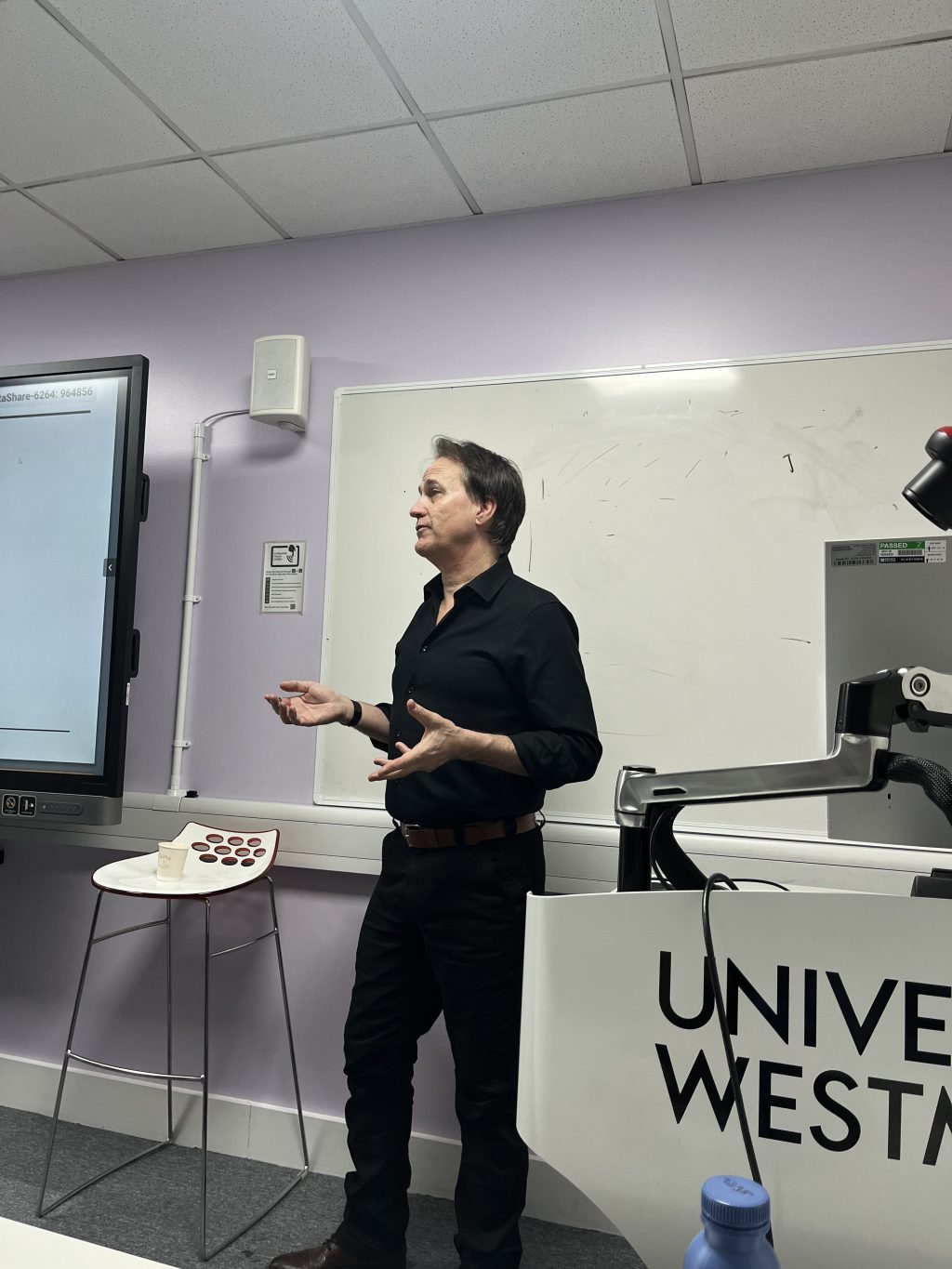
Last Wednesday 21st of February I gave for the University of Canterbury Christ Church I present ‘the Missing Ancestry Problem’. You can watch the video in YouTube or listen to it as a podcast below.
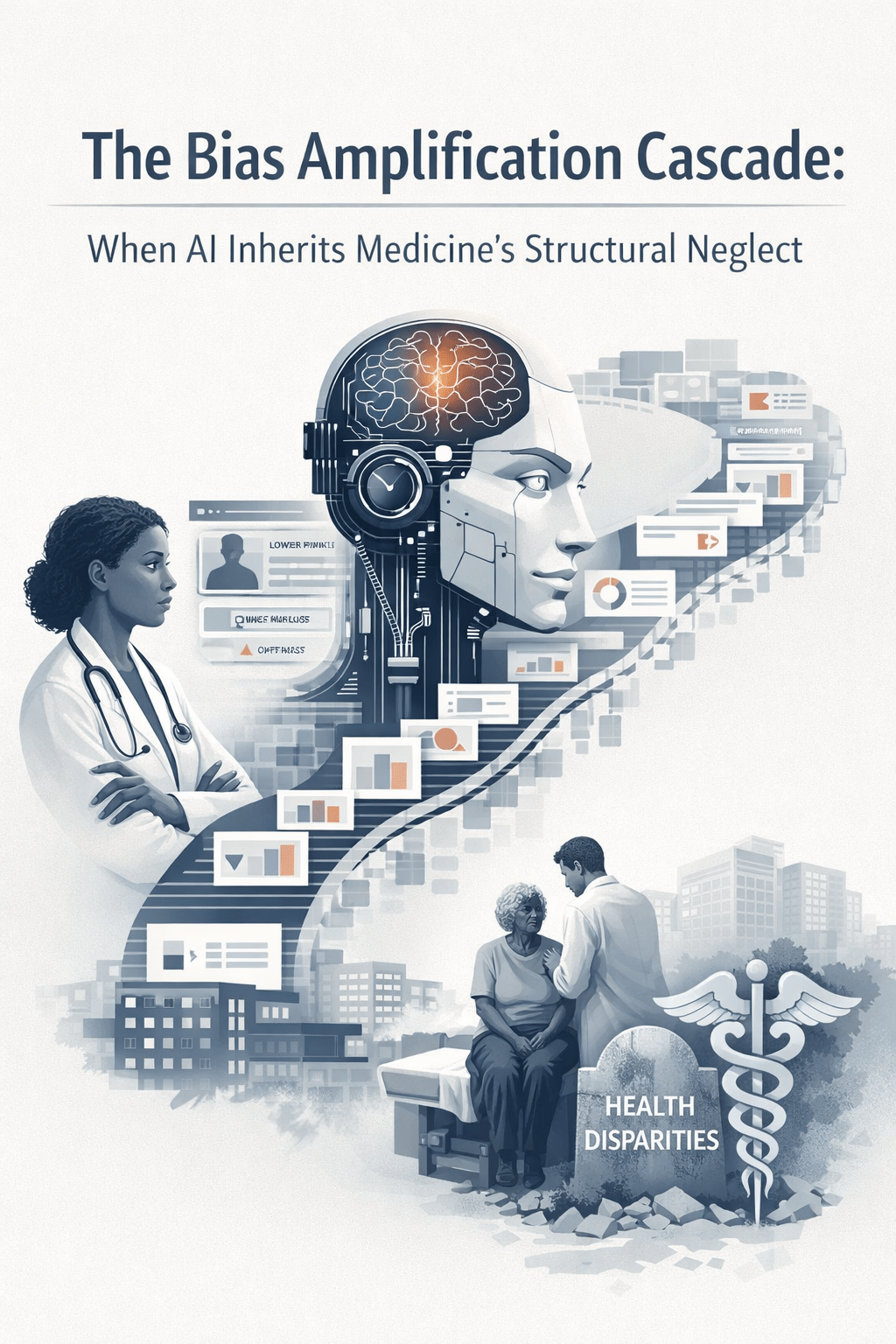
In the ever-evolving field of genomics, the data we collect and study has a profound impact on the future of healthcare. But there’s an issue at the heart of this scientific advancement: not everyone is equally represented in genomic datasets. Why does this matter? Because without a comprehensive genetic blueprint of all human populations, we risk creating a healthcare system that only works for a few.
Imagine walking into a store knowing it only caters to 10% of the population — you’d feel left out, wouldn’t you? That’s what happens when genomic research overlooks vast swathes of the global population. Patients from underrepresented groups are less likely to benefit from the advancements in healthcare that genomics promises. This is the inequity we’re currently facing, and it’s one we must address to avoid perpetuating existing biases.
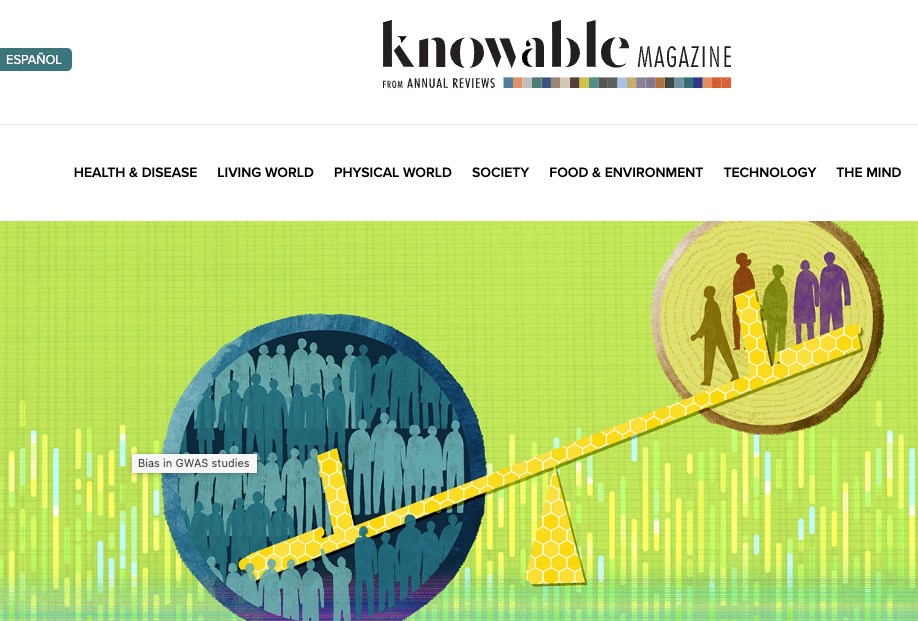
Our team has taken a deep dive into the representation of global data in genetic studies. We’ve looked at genome-wide association studies (GWAS), pharmacogenomics (how genes affect a person’s response to drugs), clinical trials, and even the tests that consumers take at home to learn about their ancestry or health risks. The findings are a wake-up call: the genetic data we’re currently collecting does not reflect global genetic diversity.
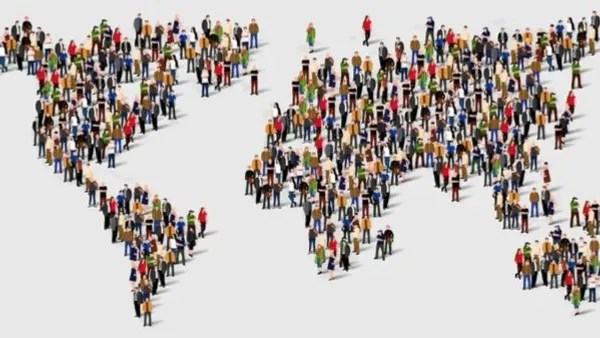
To put it simply, some populations are not being studied considering their numbers in the global census. This gap means we’re missing out on the full picture of human genetic variation. And as we move towards an era where genomics informs everyday medical decisions, we can’t afford to have blind spots if we are to fulfil the promise of precision medicine.
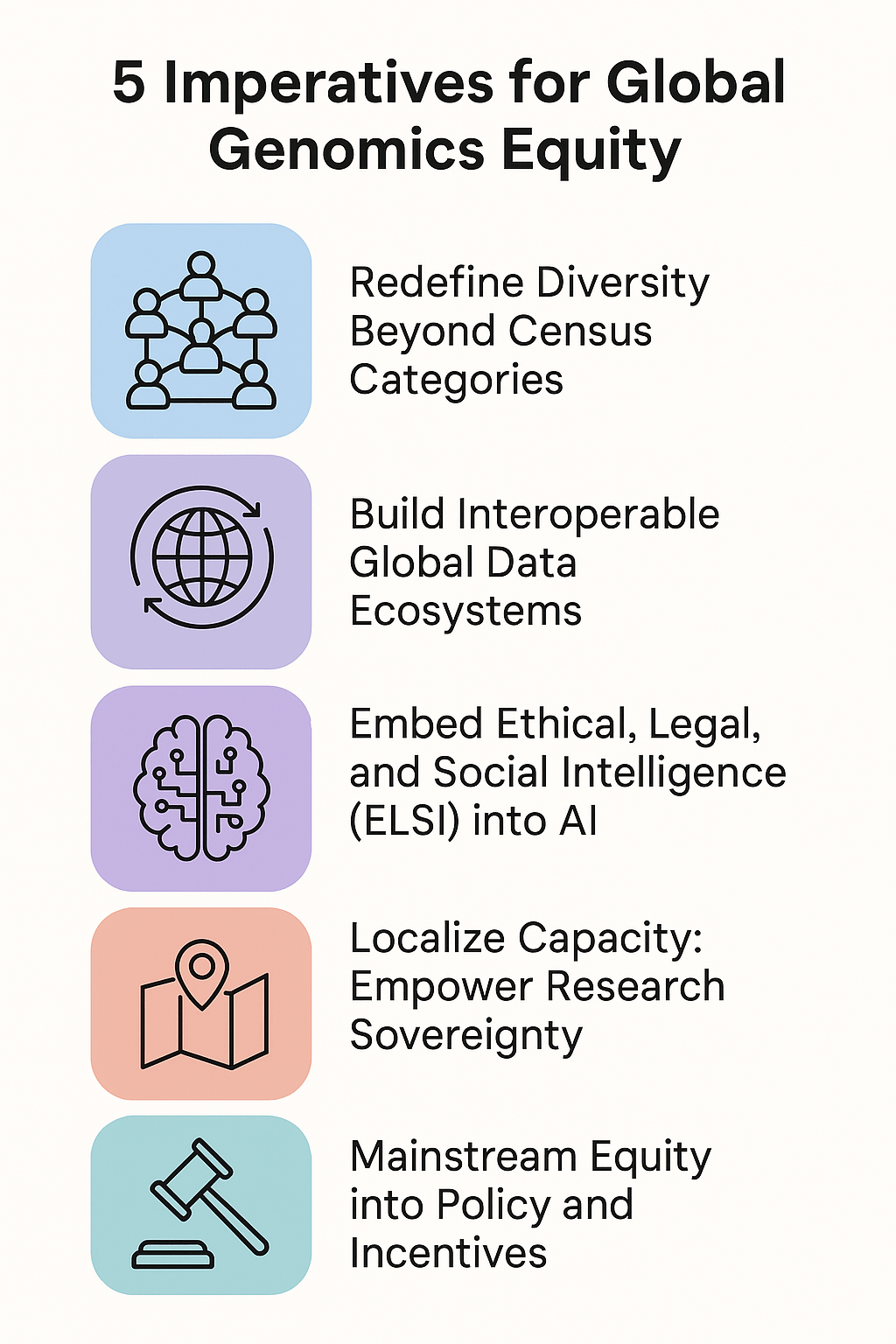
It’s time for a strategic shift. We need to deliberately include diverse populations in genomic research. It’s not just about adding numbers; it’s about enriching our datasets with the variety of genetic data that humanity has to tell. This isn’t a problem for future generations to solve — it’s a challenge for us, here and now.
Ensuring that everyone is represented isn’t just good science; it’s a step towards a more equitable healthcare system where everyone benefits from the genomic revolution.
























 Manuel Corpas
Leave a comment