After many months of having performed the sequencing of my personal exome, I now make it available to the community for public use. I release it under a public domain license (CC0 1.0 Universal), giving you permission to use this data in any way.
What is an exome?
An exome is the ~1% of my genome that encodes for proteins.
Why do I release my personal exome?
When my family and myself made our genotypes available through the Internet, we immediately received results from researchers around the world who took our data for analysis and came back with interesting results. As a result of this, we have been able to learn much about ourselves. I have reported this in a previous entry on this blog entitled “Benefits for Publishing Family Genomes on the Internet“. I now follow the same principle: if I make my exome available for people to analyse it, I can expect that some researchers may come back with interesting results.
What data do I actually release?
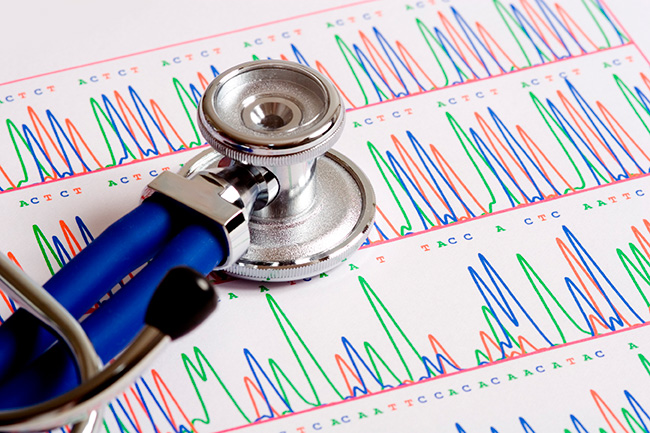
I release my 4 FastQ files that were given to me by my sequencing provider. This is the same kind of information that 23andMe gives in their current exome analysis offer. This information basically consists of raw reads that need to be aligned to a reference assembly. Once aligned, interesting variation data can be inferred.
What do I ask in return?
Nothing. I do appeal though to the good will of potential users to report back to me anything interesting they might find.
How big are the files?
They are huge. On average they are about 0.6 Gb per file and I have 4 of these. That means that it can take several hours for each file to be downloaded. Be patient!
Where can I get them?
Here:
How did I get my personal exome sequenced?
Completely independently. If you want to know the story on how I did it, please refer to my blog entries “Getting My Genome Sequencing Done” Part I and Part II. As it is implied there, I managed to get my personal genome sequenced by knocking on quite a few doors and then finding someone who would sponsor me to do so. In fact, part of this exercise’s aim was to prove that it is possible now a days for ordinary citizens to get their genomes sequenced if they so wish.

























 Manuel Corpas
Leave a reply to Pepetideo (@pepetideo) Cancel reply