The ultimate genetic test
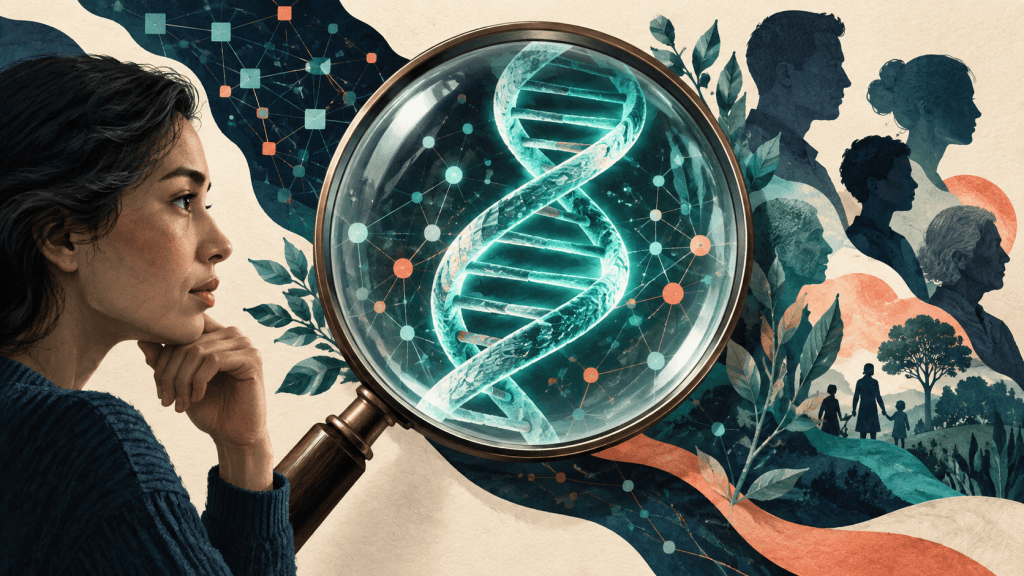
Whole Genome Sequencing (WGS) is considered ‘the ultimate genetic test’ [1] as it is of timeless nature (it does not change since you are born) and comprehensive (you test both genes and everything else). Publications suggest that on average a person’s genome has ~4 million point mutations (SNPs) and ~400,000 insertions and deletions with respect to the human genome reference [2]. It is also estimated that 50-100 new mutations occur in each healthy individual [3], most not affecting critical genes. Of the approximately 20,000 genes the human genome contains, only approximately 4,000 have a known clinical phenotype [1]. Currently in WGS of healthy people we see 2-6 disease risks per person [4]. Approximately 7% of 1,200 Food and Drug Administration (FDA) approved medications are affected by actionable mutations, making it 18% of all outpatient prescriptions [5]. So here there are 6 reasons for having your healthy genome sequenced:
6 reasons to have your healthy genome sequenced
- Variants of unknown significance may be found to a known familial phenotype leading to a new diagnosis within the family
- Learn about carrier status for recessive disorders that may reduce risks of having affected children
- Multiple family members may benefit from learned predispositions
- Exercise personal autonomy to explore one’s genome
- Knowing risk may promote healthy behaviour
- There are laws against genetic discrimination (e.g., GINA)
In essence, if you are healthy most likely you will get a negative result for nearly all conditions, but the average person should have 2-6 disease risks uncovered and some of them might be actionable.
REFERENCES
- Lindor, Noralane M. et al. (2017) Whole-Genome Sequencing in Healthy People. Mayo Clinic Proceedings , Volume 92 , Issue 1 , 159 – 172
- Drmanac R, Sparks AB, Callow MJ, et al. (2010) Human genome sequencing using unchained base reads on self-assembling DNA nanoarrays. Science. 2010;327(5961):78-81.
- Campbell CD, Eichler EE. (2013) Properties and rates of germline mutations in humans. Trends Genet. 2013;29(10):575-584.
- Dewey FE, Grove ME, Pan C, et al. (2014) Clinical interpretation and implications of whole-genome sequencing. JAMA. 2014; 311(10):1035-1045.
- Relling MV, Evans WE. (2015) Pharmacogenomics in the clinic. Nature. 2015;526(7573):343-350
Find me on:
Twitter: @manuelcorpas
LinkedIn: manuelcorpas
































 Manuel Corpas
Leave a comment