
This article was originally written in Spanish by Alejandro Sacristán and it has been sourced from El Periódico.com.
A scientific expedition to indigenous communities and ancestral peoples in Peru has discovered a specific variation in their genes that does not exist in other parts of the world and that could make them more resistant to immune or autoimmune relationships. A Spanish and a Peruvian scientist aim to create a large-scale biobank that includes underrepresented populations in Latin America and Africa.
A scientific mission in Latin America, in Peru, from Peru to the world, a project of analysis and field study and analysis and research in the laboratory that will extend for months and will put indigenous communities in the spotlight of the world genomic map.
After a long time of preparation, this mission has been in the making since December 2023, on the days of September 18 to 29, 2024, the first exploratory trip took place for close contact with these communities, for the confirmation and expansion of methodologies and objectives. We report on this scientific adventure in this article.
Upon return, they will consolidate and prepare for the new stage. This next stage will involve going into the deep Amazon on the border between Peru and Brazil to collect samples from the Matsés community in March 2025, followed by the analysis of all the genetic data collected.
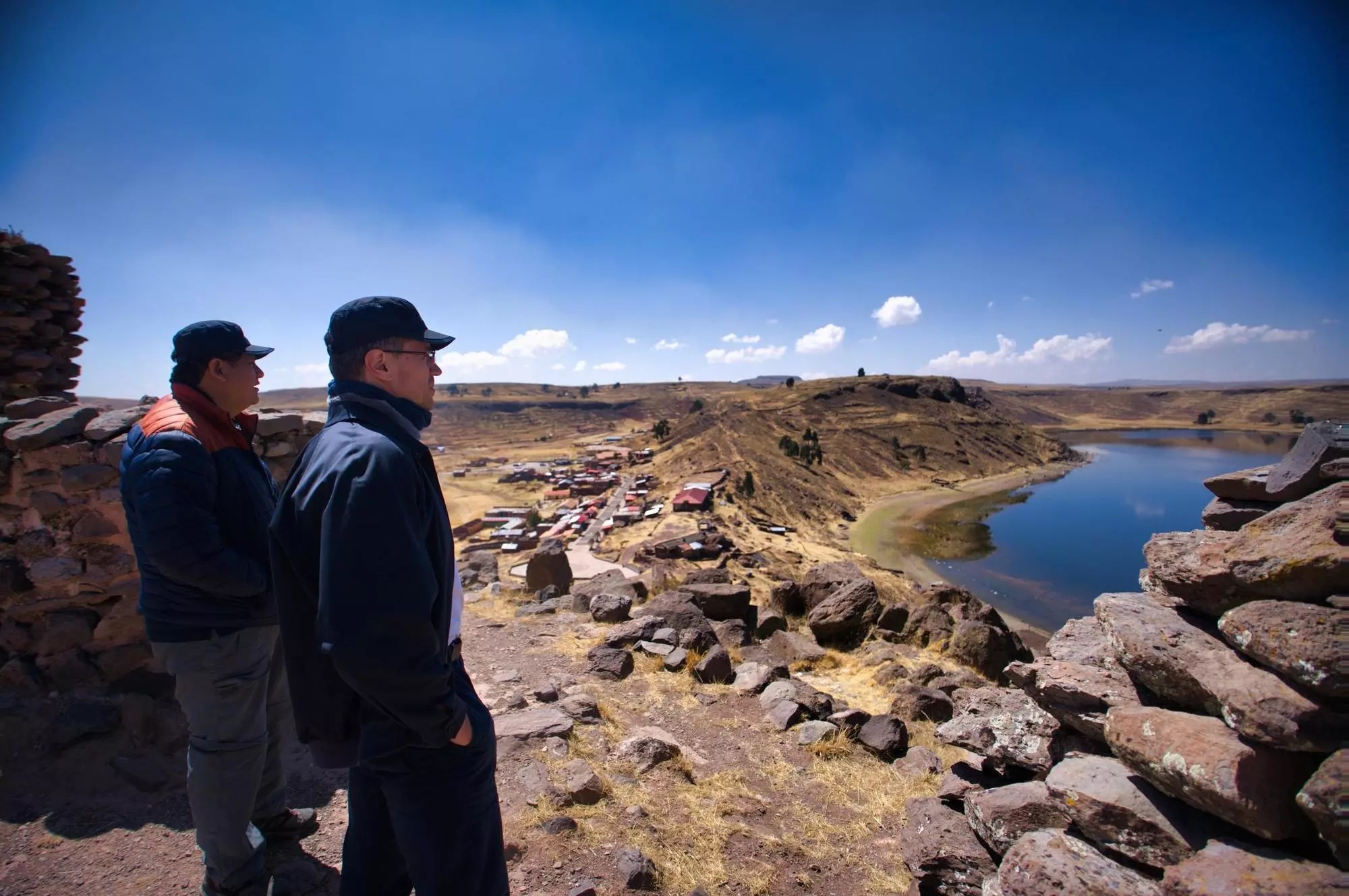
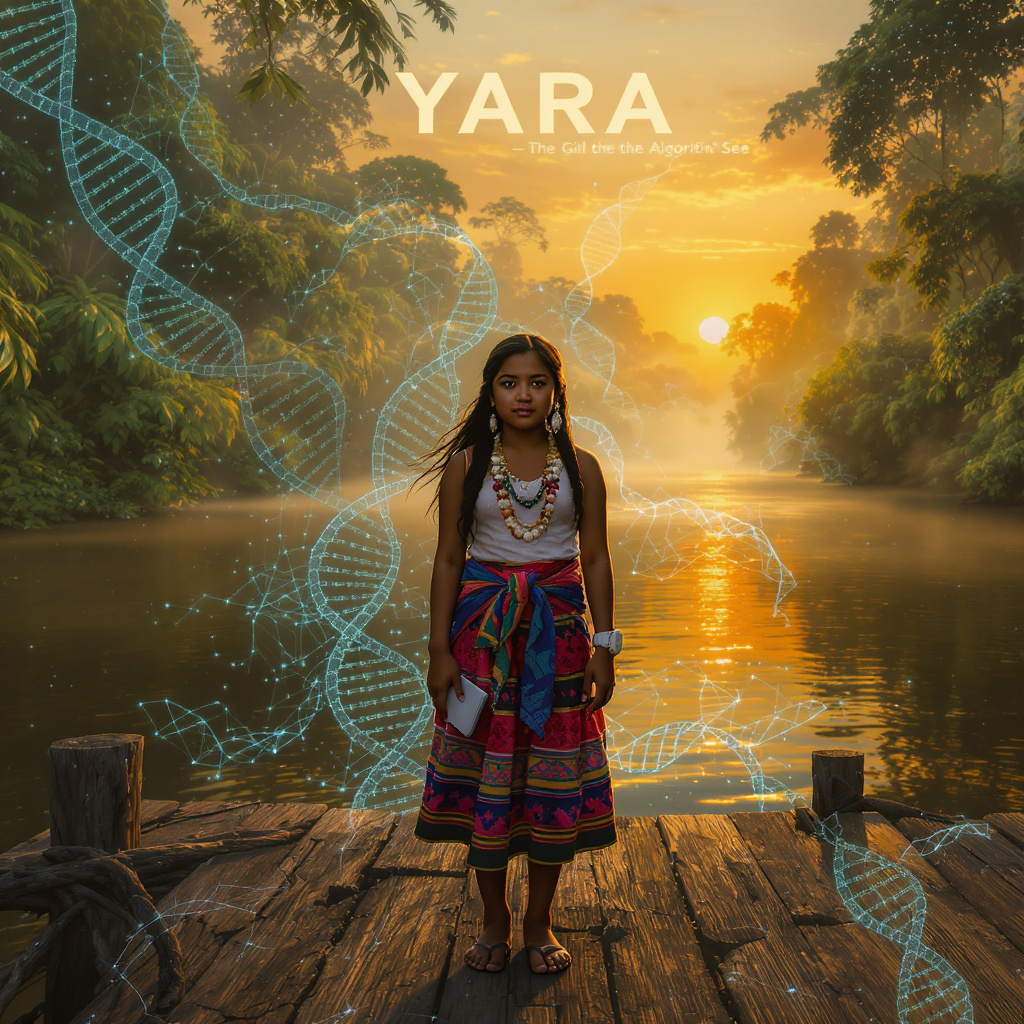
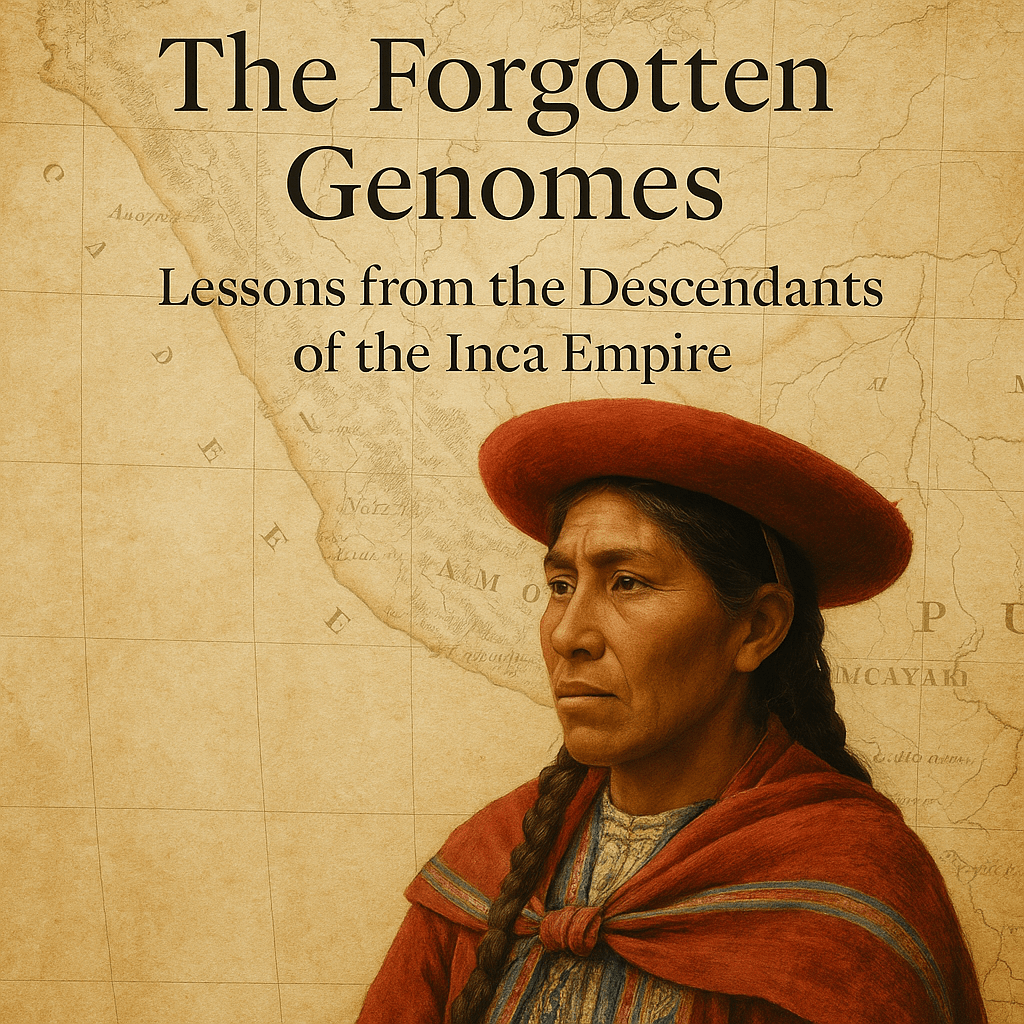
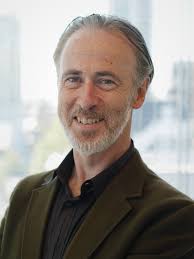
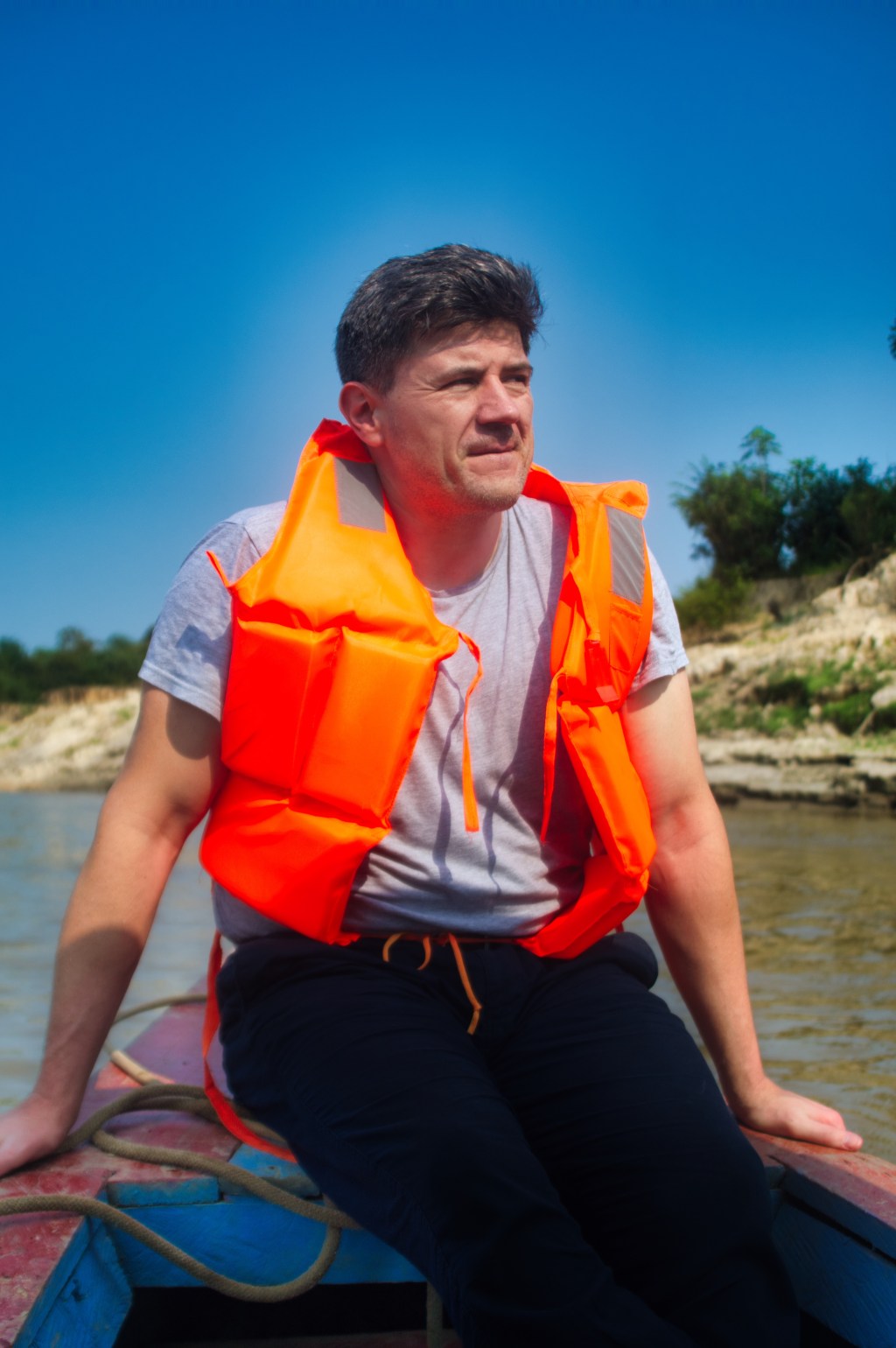
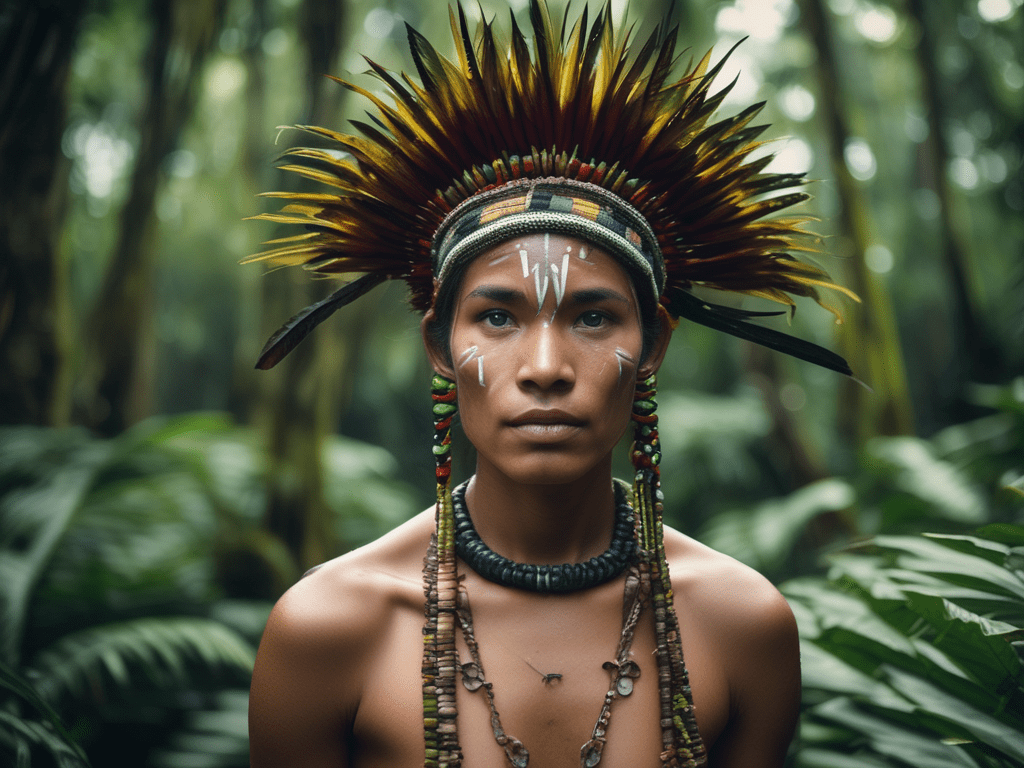
This September, these scientists went into the mountains to access Lake Titicaca, located in the Andean plateau, at an altitude of more than 3,800 meters to study an indigenous community that lives on stilts, on islands, the Capiuros, and also to go up the largest river in the world, the Amazon, to meet the Bora. The researchers are the Spanish Manuel Corpas, a biophysician, doctor of bioinformatics from the University of Manchester, and the Peruvian doctor Heinner Guio, medical director of the INBIOMEDIC research center, who have launched themselves into this scientific adventure of genomics and social vindication.
Hospitality
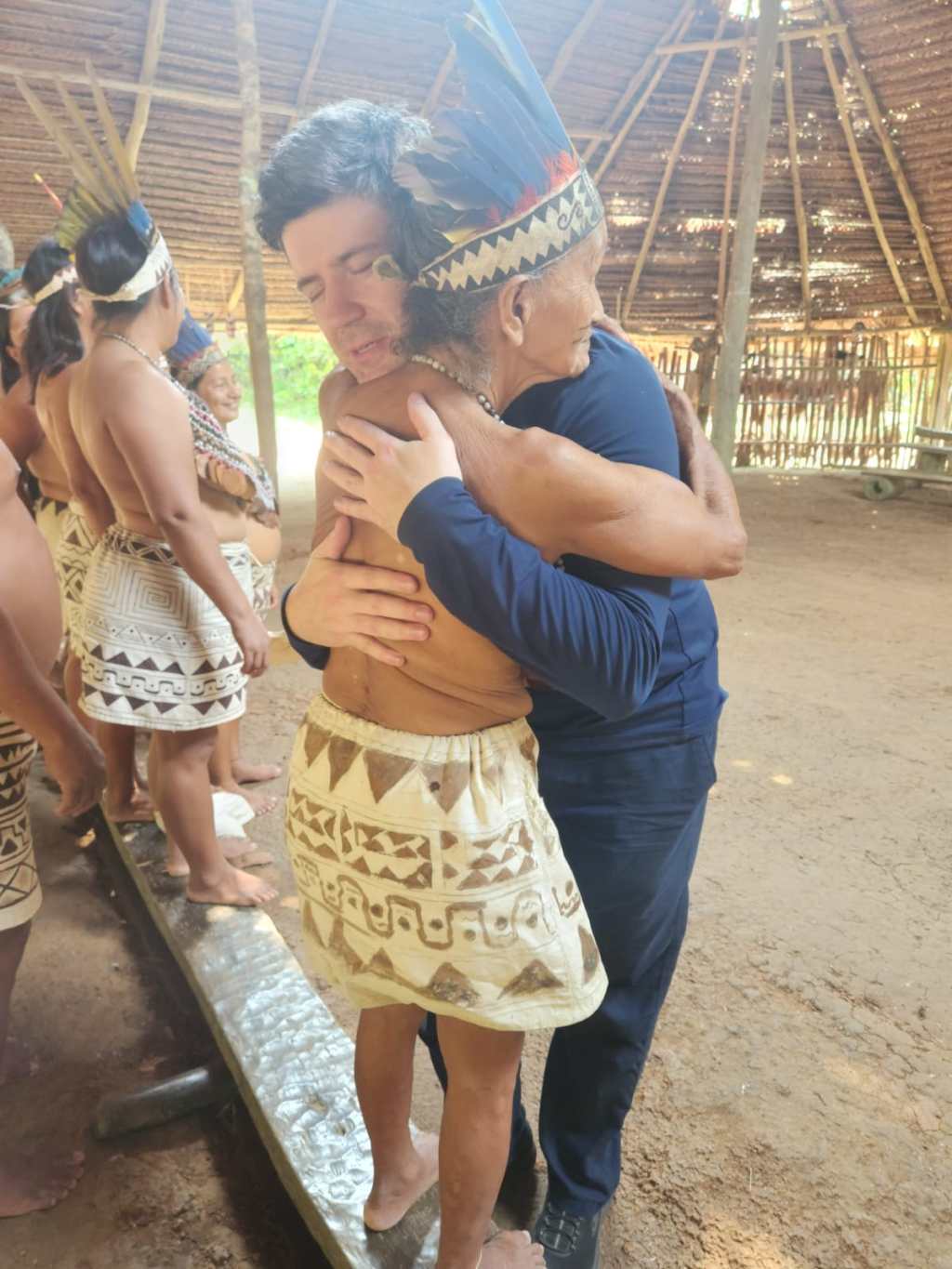
What surprised Doctors Corpas and Guio the most was how willing and open these communities are to work with them, their hospitality. They have been talking, living together, in both communities, and in particular with the chiefs of both. They have had the opportunity to get to know them, to understand a little about their problems, their circumstances.
In addition to this first impression, they were immediately aware, very surprised, of the great impact of climate change on the two peoples, so far away, and in such different environments, the jungle and the mountains, the high plateau. This impact extends to their ways of life, threatens their survival and their genetic heritage.
The indigenous communities of the Amazon have developed unique adaptations and cultures. Genetic adaptations allow them to thrive in one of the most challenging environments on the planet that has remained stable, until now. All the more reason to collect and preserve this unique genomic heritage.
Less water
Manuel Corpas told us that “I did not imagine that it would really be a reality in these communities, which are so remote. The fact that the Amazon River is already very low means that many of these populations that used it as a means of communication can no longer use it and it completely affects their way of life.” The need to bring personalised medicine to these areas is becoming more evident.
Dr. Guio expressed himself in the same way: “in Lake Titicaca we also observed that the water level is unusually low, areas that are supposed to be covered by water were completely dry, a considerable decrease in the normal water levels has an effect on the way of life, on the ecosystems, on the food sources, because if they don’t have water, they don’t have food, so where are they going to go, in other words, it is a really dramatic and urgent situation.”
It is an opportunity to access the current state of the genome of these communities before climate change affects them more, in this way it will serve as a benchmark for the effects they may experience in the future due to the incidence of global warming, of the change in conditions of the ecosystems in which they live.
Guio and Corpas are convinced that they have prepared themselves well to begin to remedy the lack of knowledge of the genomic diversity of Latin America and in particular of indigenous peoples, so that they can benefit from genomic medicine in the future. Dr. Heinner Guio highlights that this preliminary visit, to learn about the living conditions of the communities and their needs, allows them to reformulate the objectives of the research and collection of genome data in order to cover more possibilities and better serve these populations.
Genetic evolution variable
Guio reflects that “the presence of Dr. Corpas in these latitudes is exceptional, it is the first time that a person with such a high academic training in genomic data analysis visits these areas.
This trip has served to raise awareness among researchers who could be in charge of this project, that it is not just about a DNA sequence, but goes beyond that: it is a variable of necessity, a variable of non-representativeness, it is a variable to identify where the genetic evolution is, to identify the migration of these populations to get to the place where they are.
All this means that when one analyzes this information or writes the research project, it goes beyond scientific knowledge, to acquire a social commitment to these communities.”
They have also found inhabitants who have some diseases from birth, probably genetic. This will have to be investigated and verified in the coming months, since these genetic diseases could be described and have an atypical presentation, but we could also be facing new diseases that have not been reported, since these populations are very isolated.
In this first expedition, it has been observed that many variables are produced and it gives the opportunity to obtain more information and respond to the health problems of these communities: the objectives have become more ambitious.

World genomic map
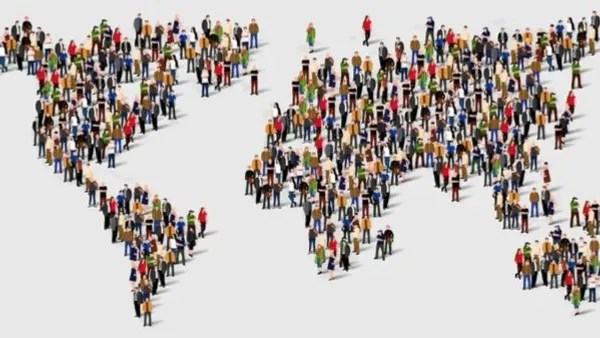
According to Dr. Heinner Guio, “understanding this trip as a person, as a Peruvian, leaving aside the academic part, is very gratifying, since there is now one more person on my team, Dr. Corpas, who can replicate these studies in other communities and in other parts of the world following this methodology. This means that the vision and the field of research for the future have been expanded and that Latin America will be put in the focus of the world genomic map, for the first time, especially in those referring to indigenous communities and peoples from an ancestral period.”
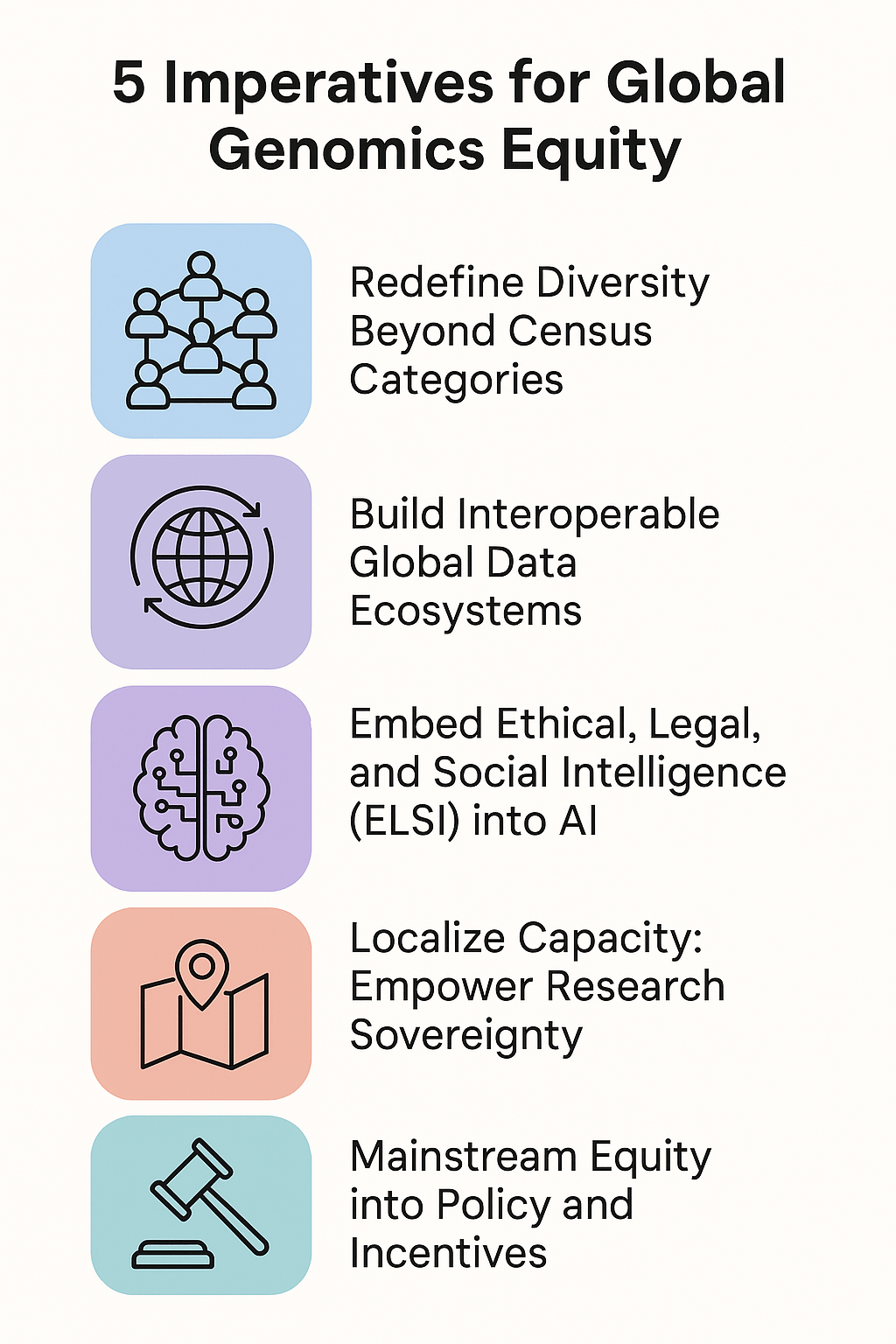
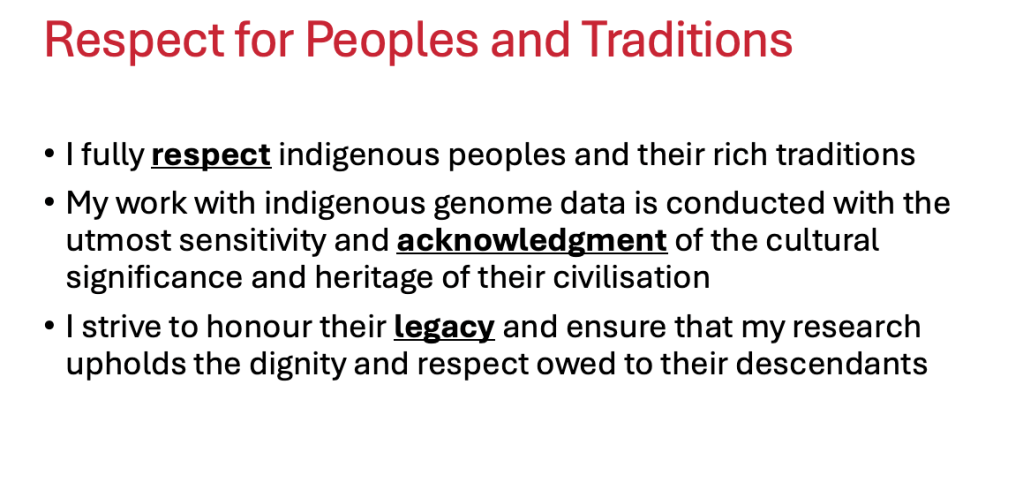
In this first approach, it is especially important that each native population is different and the ethical context is essential to take these genetic samples and analyze the results: “we must be very strict in respecting that these communities are not violated later, with the information that is going to be analyzed. All this helps us to edit a research protocol with ethical considerations for each population and in this way we can begin the collection of samples and the sequencing analysis in two or three months”
The scientific mission aims to bring this high technology that is being developed in the United Kingdom to Peru. This technology involves an extremely deep type of DNA sequencing and the idea is that this technology stays in Peru because today, when this type of analysis is done, the samples have to be sent abroad. The logical thing would be that this training does not leave a mark where it should be, which is close to the communities and in the country itself.
Interested companies
The two directors of the scientific mission shared with us that they are in dialogue with several companies that are very interested, both in Peru and in the United States and the United Kingdom, in working in these terms of respect and technological transfer.
On the value of this genetic diversity, Dr. Guio adds that “the connotation of pathogenicity of genetic variants for some well-studied diseases has been made basically from information from a Caucasian population, but the introduction of these local data can help to redefine the pathogenicity of these genetic variants.”
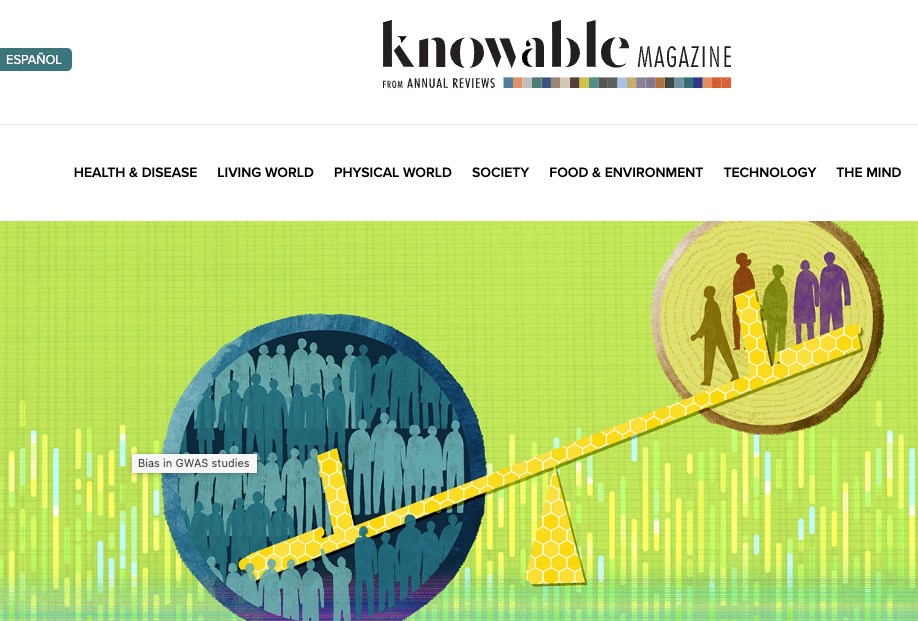
Manuel Corpas, before traveling to the Amazon, participated in the Latin American Congress of Medical Genomics, where he explained that there are a large number of variants of uncertain significance that affect people from Latin America much more stridently, simply because the majority of biobanks, as Dr. Guio has expressed, are based on populations of European origin.
Corpas said at the congress that “this is one of the great motivations that drives me to work on this issue: there is a question of social justice that really needs to be addressed.”
This correction affects local populations and also humanity as a whole, because if we only rely on European data, we have biases, noises in the data, they are not complete.
Unique genetic variation
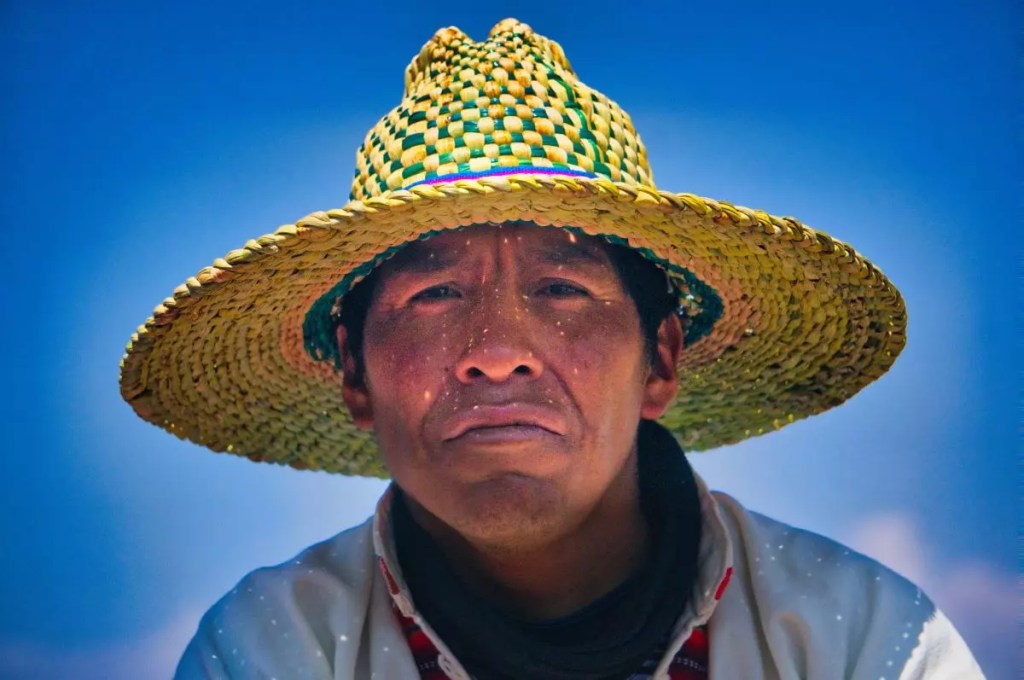
For example, the Capiuros community of Lake Titicaca can coexist in their intestine with between ten and fifteen different parasites in a symbiotic way. It is surprising. According to the two directors of the research, there is a kind of coincidence in terms of adaptation to autoimmunity or immunity.
“What we know, because we have done some preliminary analyses, is that their genes have a specific variation present in this type of community that is absent in the rest of the world. This variation involves genes related to the immune system and we have a hypothesis that precisely these genes that are different in immunity, well, they could also be containing unique variations in these populations that make them more resistant to immune or autoimmune relationships. Yes, with the new types of sequencing and analysis that we intend to do, we hope to obtain answers.”
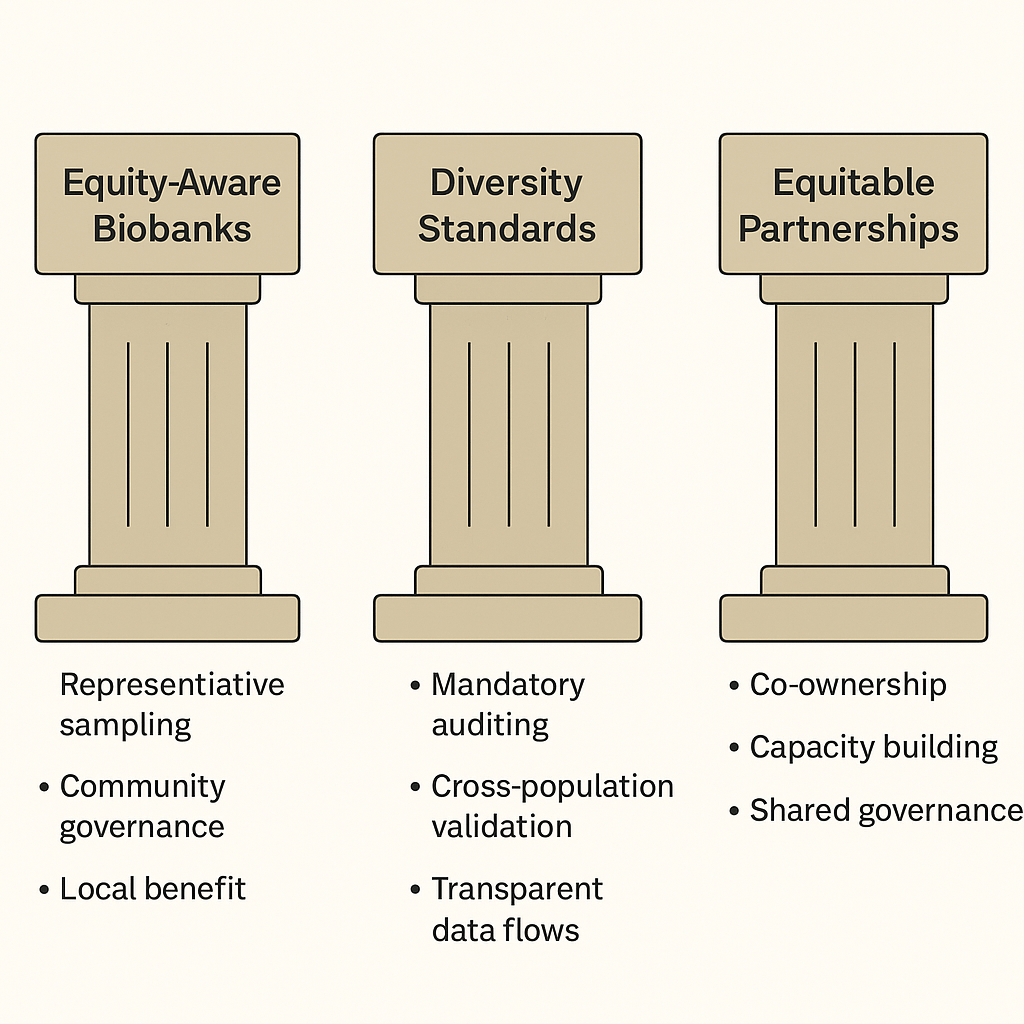
This mission takes advantage of the study of these two populations for a pilot project with the idea of scientifically demonstrating that with a little investment, results can be obtained that have an impact thanks to the genetic biodiversity that exists in Peru and Latin America. The idea is that the end of this process will allow for the creation of a large-scale biobank that includes underrepresented populations from Latin America and Africa.
Large-scale biobank
Dr. Corpas adds that they are in collaboration with the Uganda biobank and that “we want to first reflect in the design of this Afro-Latin biobank the needs of these populations from the southern hemisphere, which have specific needs. Having populations from Africa and Latin America using the same sampling protocol with ethical consent, with testing, analysis and interpretation procedures, will allow us to have a resolution that we hope will be very novel in terms of understanding first the evolution of the human species, second the adaptation of the human species to the specific environmental conditions to which it has been exposed, and third complementing our vision of the variants that are really contributing in a pathogenic way to the diseases that affect populations globally.”
From what has been observed, due to their lifestyle and the pressures they are under, especially from climate change, they will definitely have to interbreed and migrate, leave these places, and in that case the opportunity will be lost, so “one more day today is one less day of opportunity to help understand the genetic structures of these communities.” So doctors Corpas and Guio are continuing with their scientific mission and preparing the next step; there is no time to waste.


















 Manuel Corpas
Leave a comment