I named it. I tested it. I build the layer that makes it trustworthy.
69 publications | 4,400+ citations | h-index 24
8 frontier models | 110 clinical cases | 13,200 scored evaluations | 7,241 genomes
1,061 stars, 234 forks and 44 contributors on ClawBio | 1,380 people through the community
One question, fifteen years
In 2011 I sequenced my own family and published their genomes openly, because I wanted to know what the data actually said. What I learned was that sequencing was never the hard part. Interpretation was, and interpretation is only ever as good as who is in the reference data.
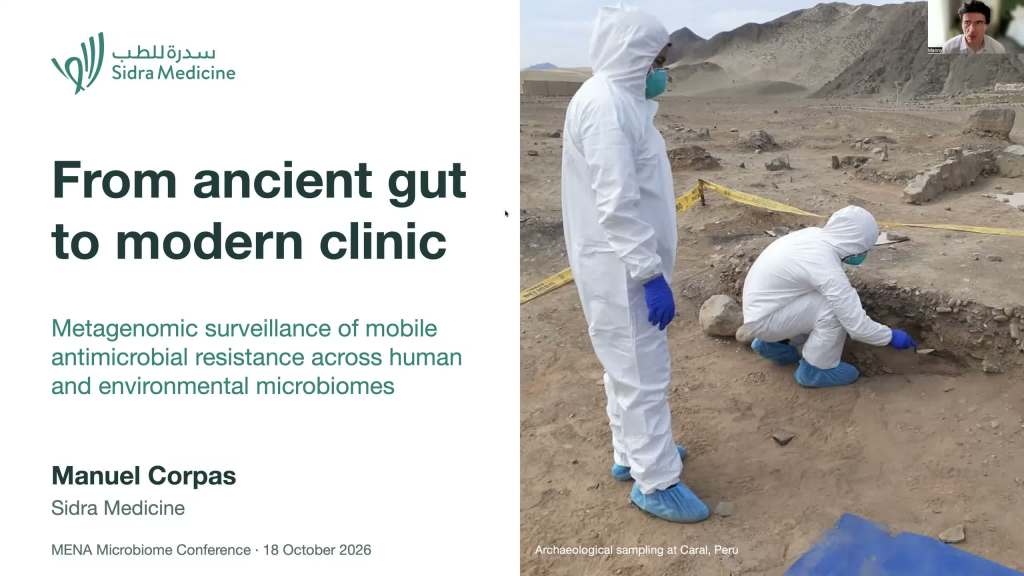
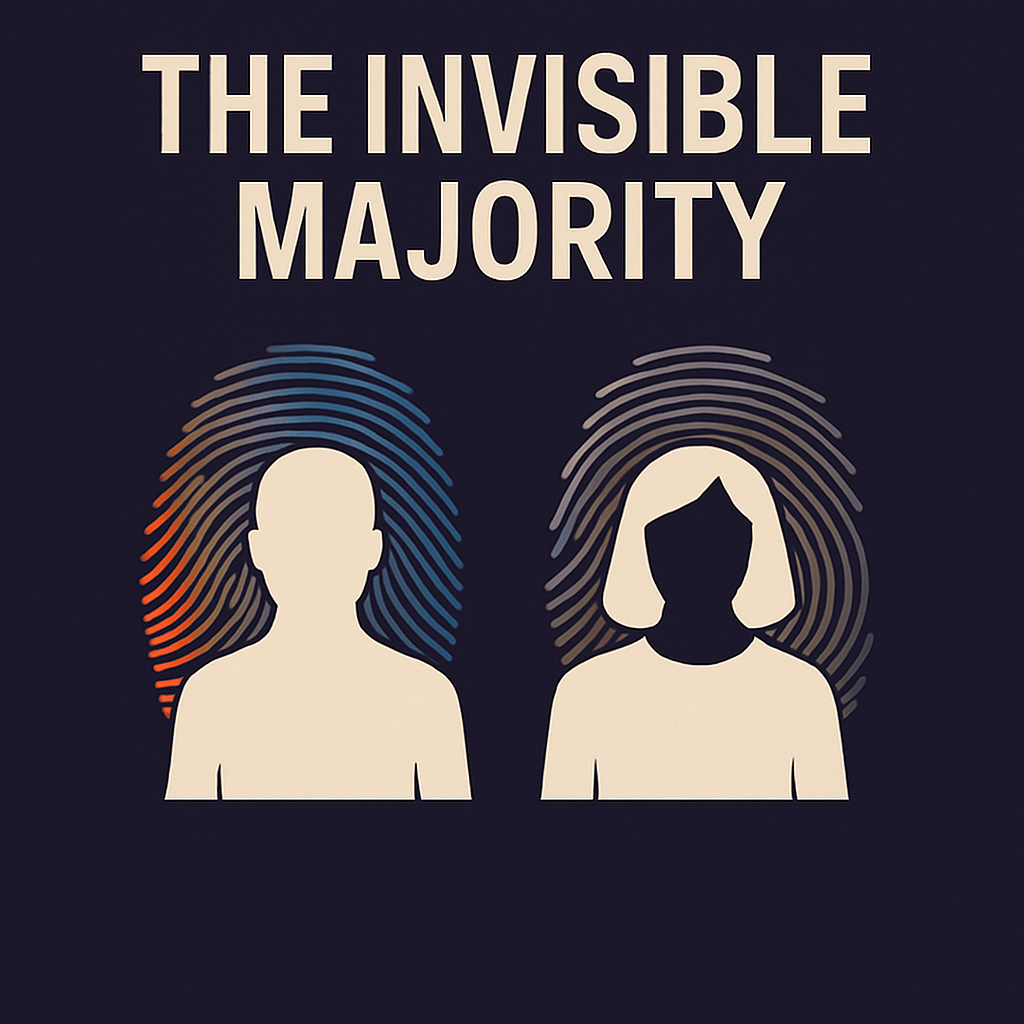
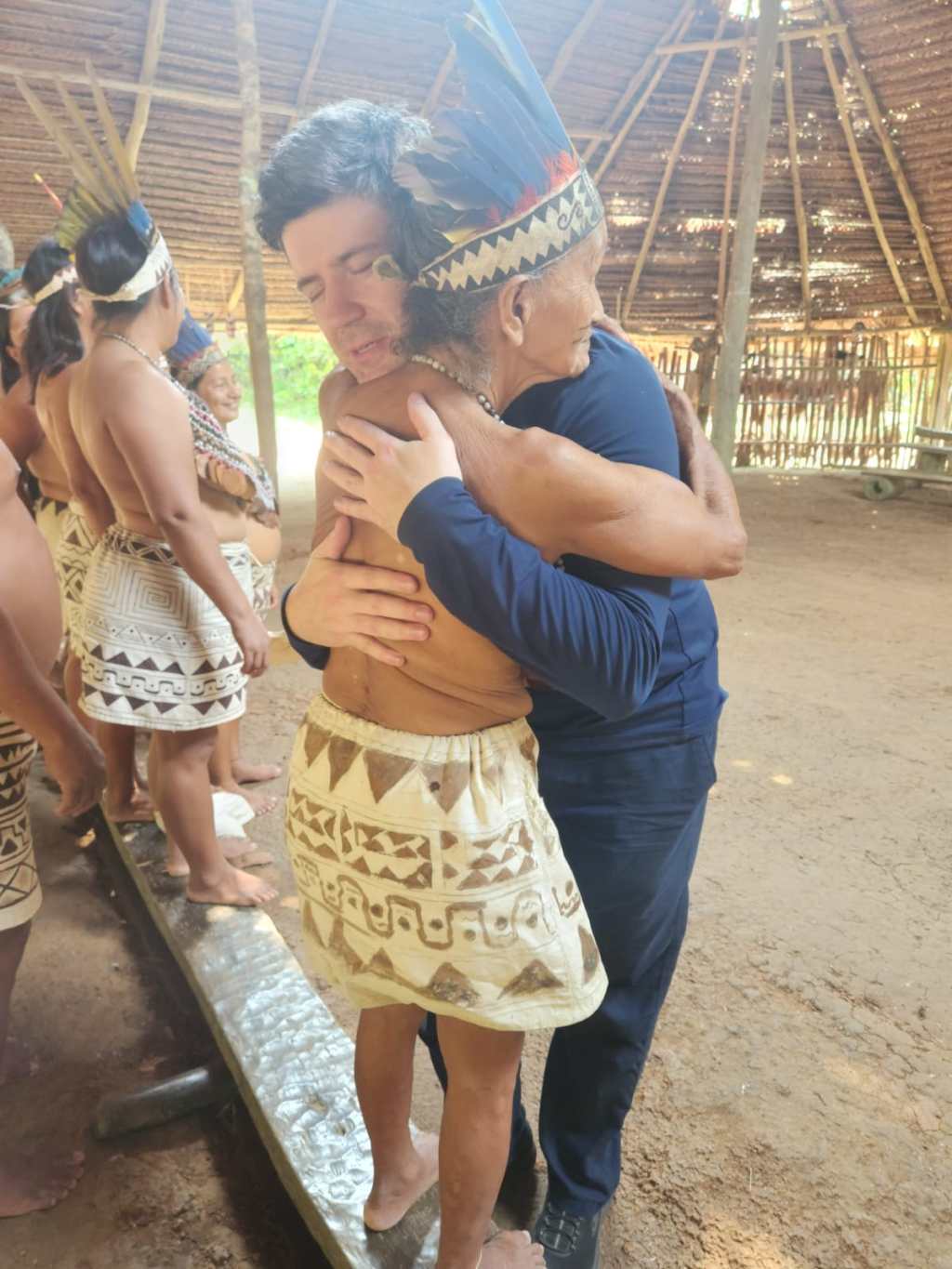
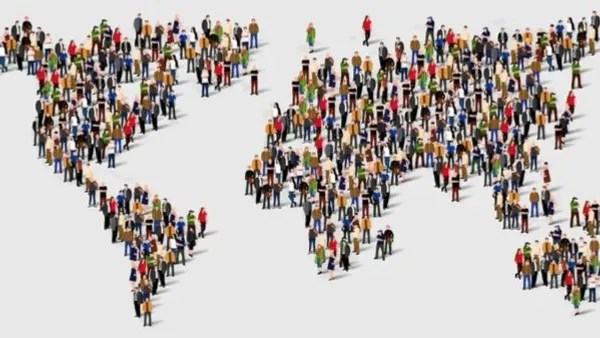
So I spent a decade measuring who was missing. Eighty-six per cent of genome-wide association data still comes from people of European ancestry. I documented what that costs in pharmacogenomics, in polygenic risk scores and in biobanks, and I helped build some of the missing data through the Peruvian Genome Project.
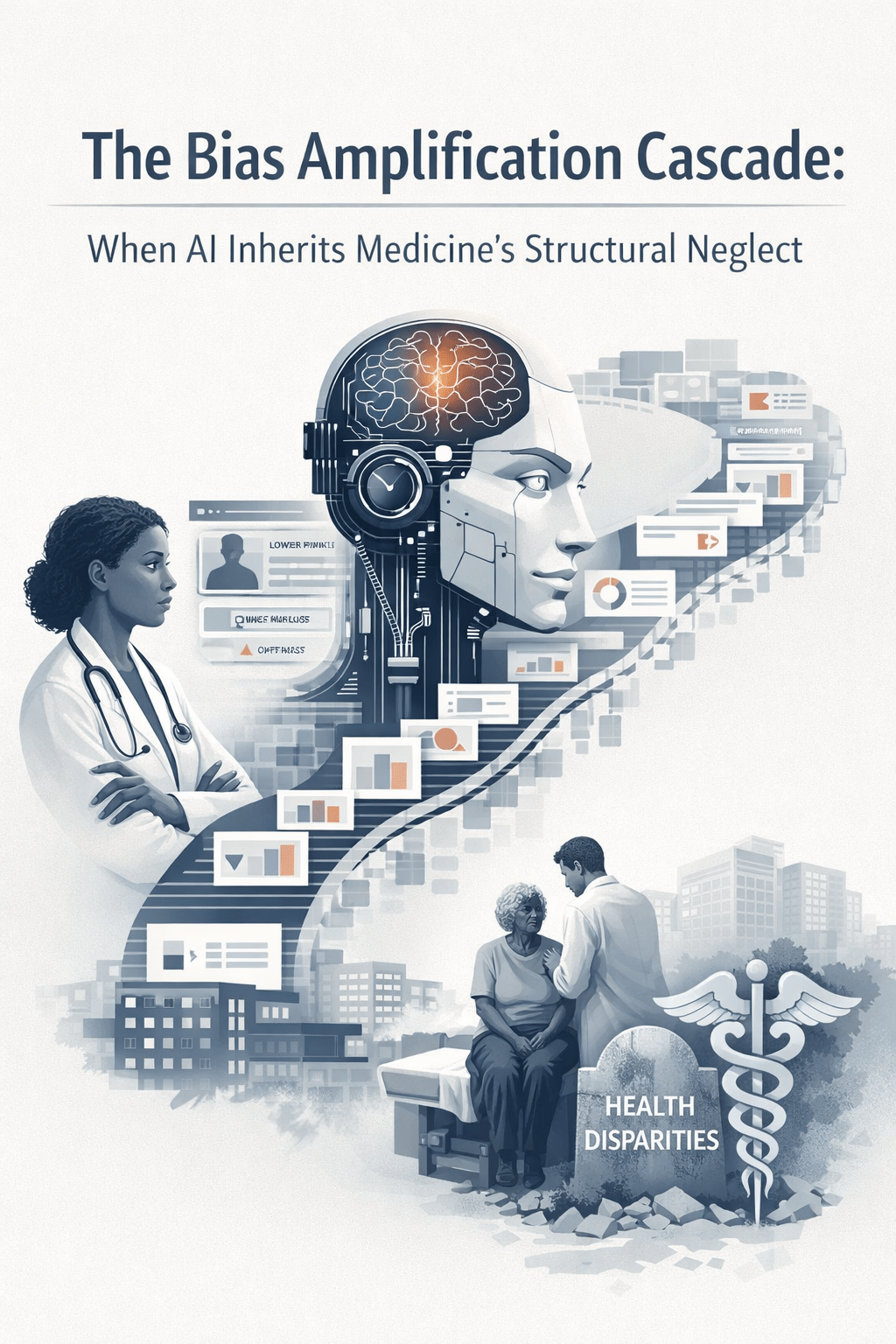
Then AI arrived, and automation did not close that gap. It industrialised it. Models trained on a skewed literature do not inherit the bias neutrally. They amplify it, and then act on it at a scale no human reviews. I call it the bias amplification cascade.
So I named the paradigm and built the layer that checks it. Agentic genomics, defined in Cell Genomics in July 2026: the delegation of multi-step genomic analyses to autonomous agents, and the shift of the bottleneck from building pipelines to validating them. Then the first controlled test of where correctness must live inside one. Then the open infrastructure that result demands.
The full record of the coinage, the definition, the evidence and every open material: what is agentic genomics?
One question, fifteen years: can a genome interpretation be trusted, and for whom does it hold?
What I build
ClawBio. The open trust layer for agentic genomics. A bioinformatics-native skill library that lets AI agents run real analyses with provenance, safety constraints and human oversight, instead of improvising from a chat window. 1,061 stars, 234 forks and 44 contributors. docs.clawbio.ai | github.com/ClawBio
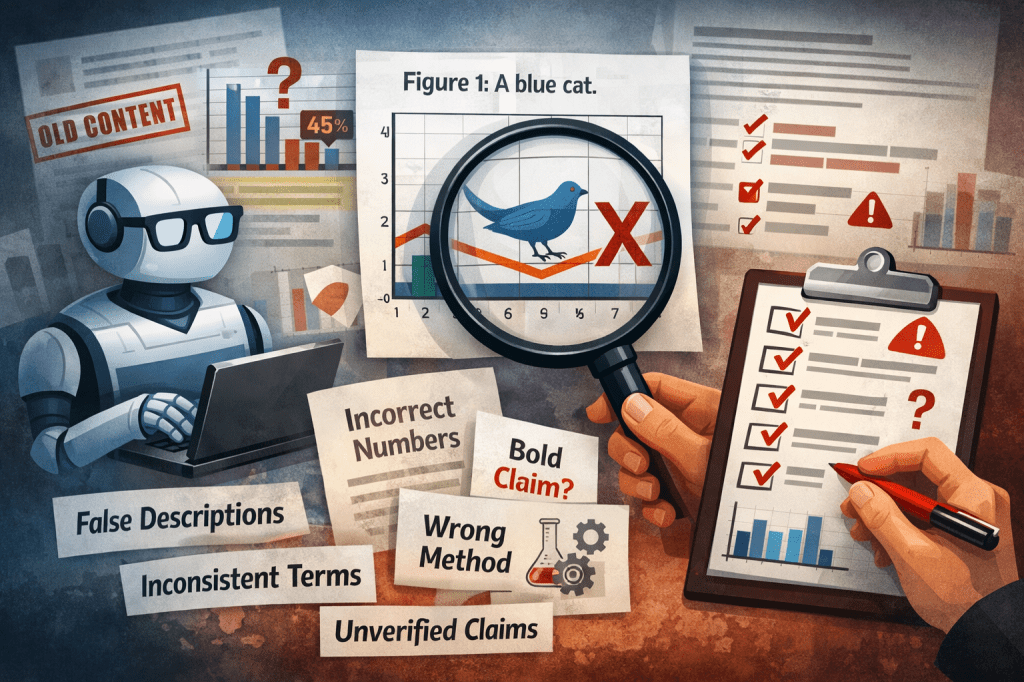
ClawBench. A benchmark for agentic genomic analysis, grounded in Genome in a Bottle reference material. It scores what actually matters: whether a system abstains when it should, whether it fabricates, whether it holds up across ancestries. Confident hallucination fails. Safe uncertainty passes. github.com/ClawBio/ClawBench
GenomeQA. An evaluation for provenance-grounded genomic agents. The contribution is the scoring: answer, abstention, provenance, population robustness. genomeqa.clawbio.ai
The Conversational Genome. A live demonstration on a real 30x whole genome, with a genome-wide clinical layer that classifies findings honestly rather than dramatically. Try it yourself. conversational.clawbio.ai
Why this matters
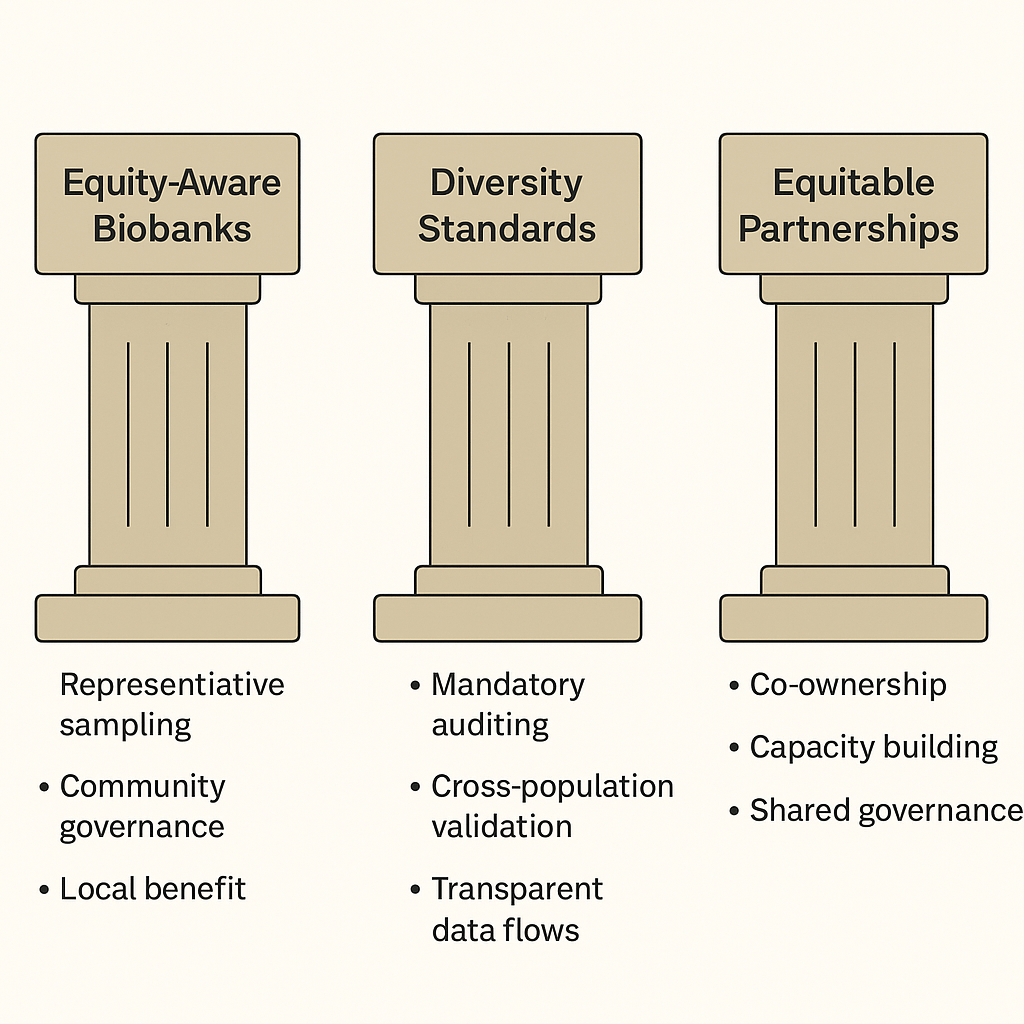
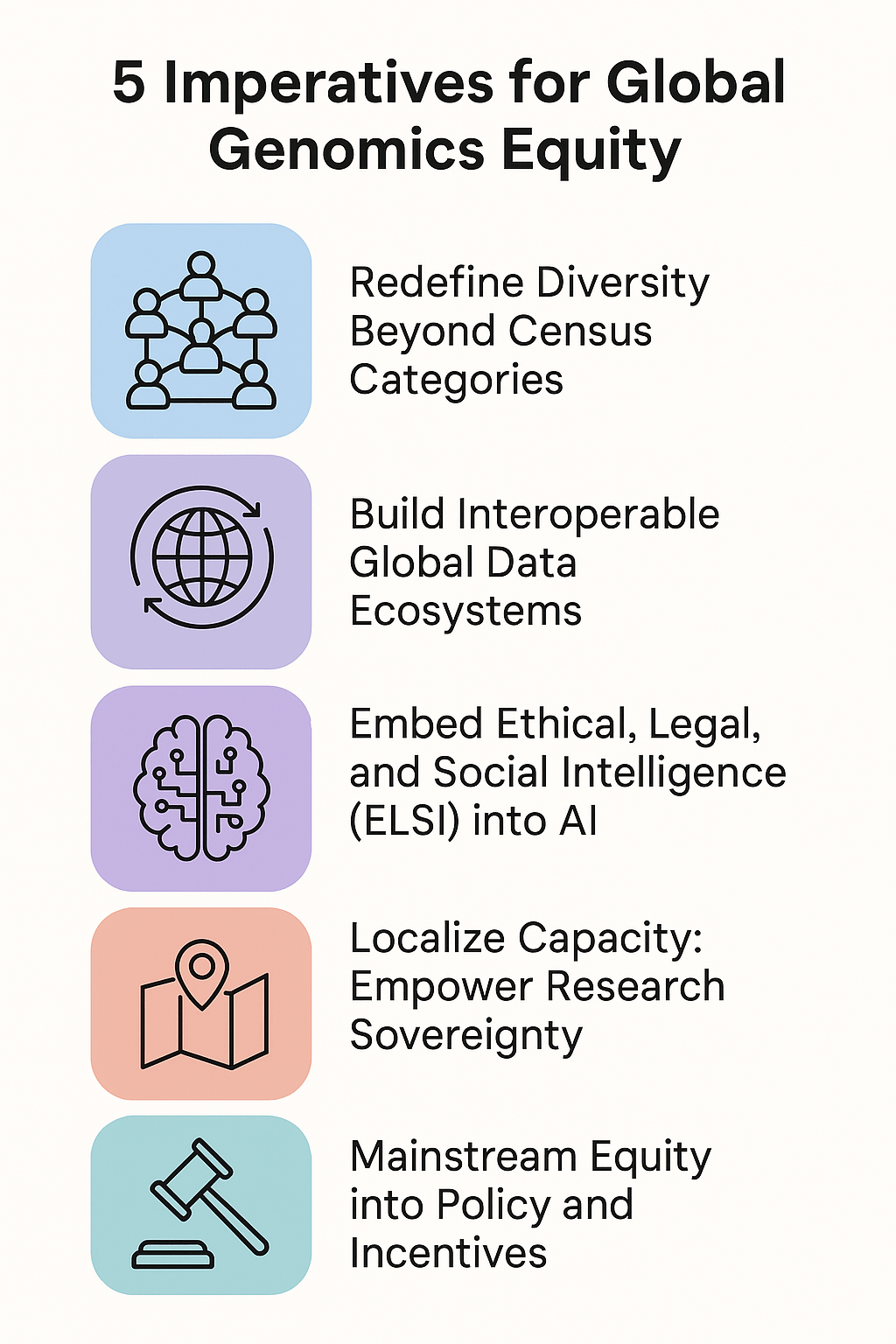
Genomic medicine was built on a partial sample of humanity, and I have argued that case where it counts: in Nature Genetics, on why genomic diversity should not be framed by census alone; in Cell Genomics, on the diversity gap; in the Annual Review of Biomedical Data Science, on how biobank expansion is revealing rather than closing global health inequities; and at the Global Alliance for Genomics and Health, where I helped shape equity, diversity and inclusion policy.
If agents automate genomic interpretation on that same partial base, exclusion stops being a historical problem and becomes an automated one, running at machine speed with nobody reviewing it. Benchmarks are the answer. Not promises about safety, but measurements anyone can reproduce.
Selected publications
- Corpas M, Guio H, Fatumo S (2026). Agentic genomics: from pipeline automation to autonomous validation. Cell Genomics 101305. doi
- Corpas M, Iacoangeli A, Bourdenx M, Aldraimli M, Jabalameli MR, Skene N, Fatumo S, Guio H (2026). Trustworthy agentic genomics requires validated skills, not better models. bioRxiv. doi
- Corpas M, Iacoangeli A (2026). Benchmarking large language models for extracting biobank-derived insights into health and disease. PLOS Computational Biology 22(4): e1014224. doi
- Corpas M, Ojewunmi O, Guio H, Fatumo S (2026). Electronic health record-linked biobank expansion reveals global health inequities. Annual Review of Biomedical Data Science. doi
- Corpas M, Guio H, Lopez-Correa C, Fatumo S (2025). Why genomic diversity should not be framed by census alone. Nature Genetics. doi
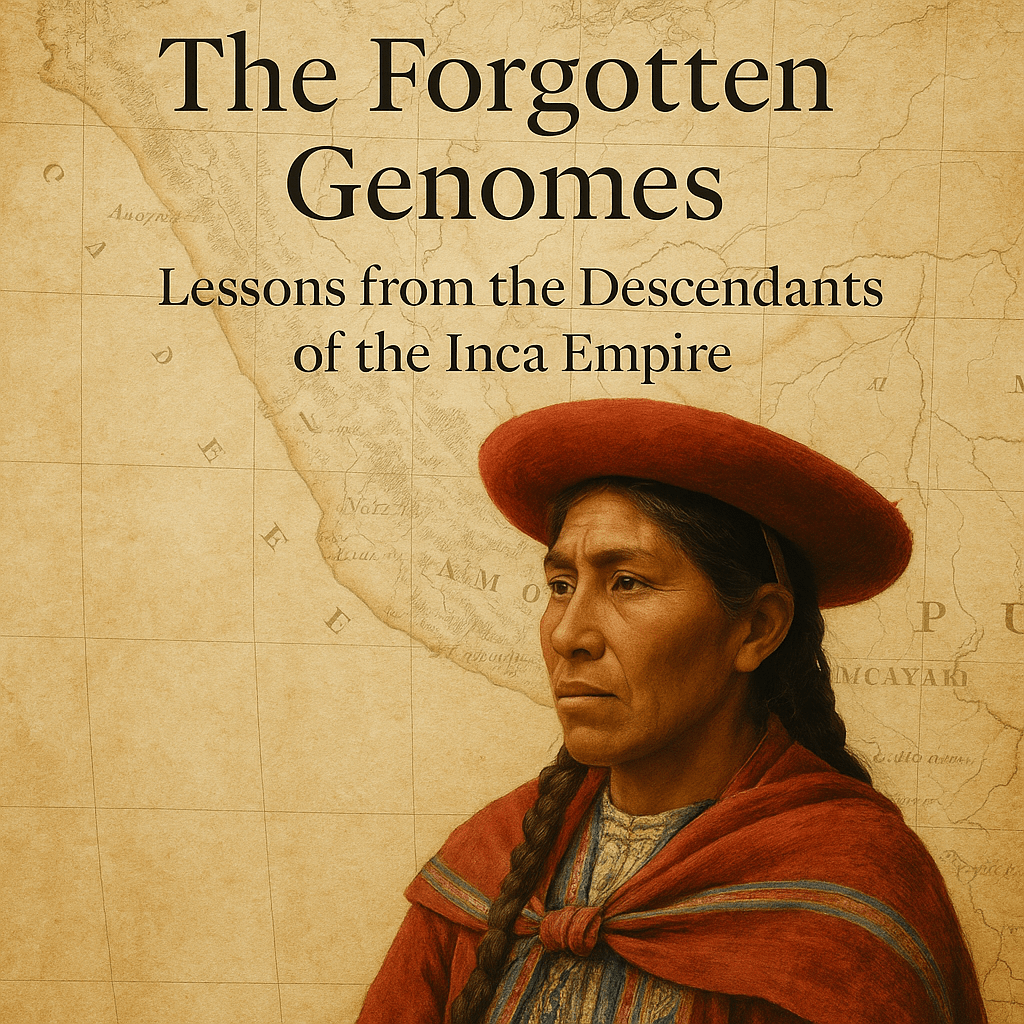
- Guio H, et al., Corpas M, Tarazona-Santos E (2025). The Peruvian Genome Project: expanding the global pool of genome diversity from South America. Frontiers in Genetics. doi
- Corpas M, Pius M, Poburennaya M, Guio H, Dwek M, Nagaraj S, Lopez-Correa C, Popejoy A, Fatumo S (2025). Bridging genomics’ greatest challenge: the diversity gap. Cell Genomics 5(1): 100724. doi
- Kamiza AB, et al., Corpas M, et al., Fatumo S (2026). KidneyGenAfrica: multi-cohort GWAS and polygenic prediction of kidney function in 110,000 Africans. Nature Communications. doi
- Corpas M, Siddiqui MK, Soremekun O, Mathur R, Gill D, Fatumo S (2024). Addressing ancestry and sex bias in pharmacogenomics. Annual Review of Pharmacology and Toxicology 64.
- Skantharajah N, et al., Corpas M (2023). Equity, diversity and inclusion at the Global Alliance for Genomics and Health. Cell Genomics 3: 100386.
- Corpas M, Megy K, Mistry V, Metastasio A, Lehmann E (2021). Whole genome interpretation for a family of five. Frontiers in Genetics 12: 535123.
- Corpas M (2013). Crowdsourcing the Corpasome. Source Code for Biology and Medicine 8: 13. doi
All 69 publications, or on ORCID and Google Scholar.
Building the field
Infrastructure is not only software. I founded the ISCB Student Council, which has trained a generation of computational biologists, and BioJS, an open standard for biological data visualisation. I was part of the team behind DECIPHER, used worldwide for rare disease diagnosis.
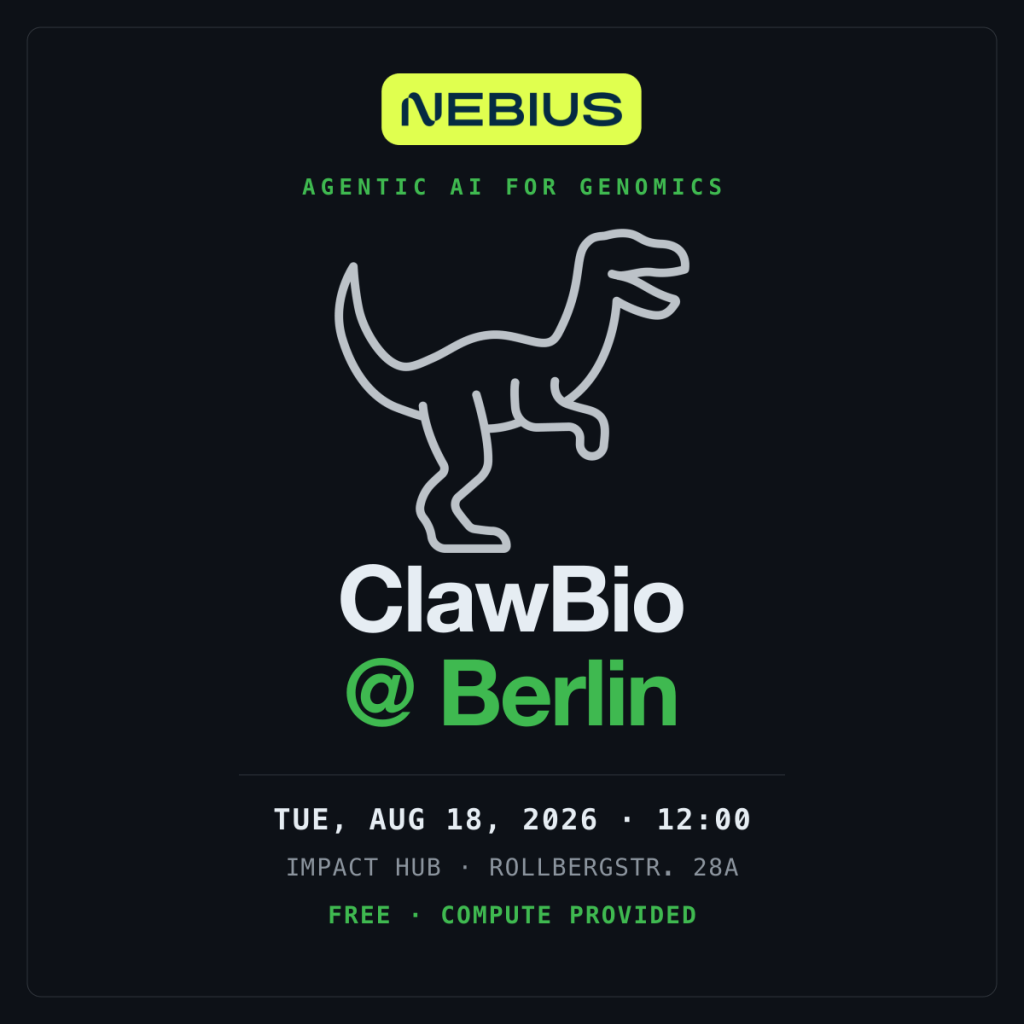
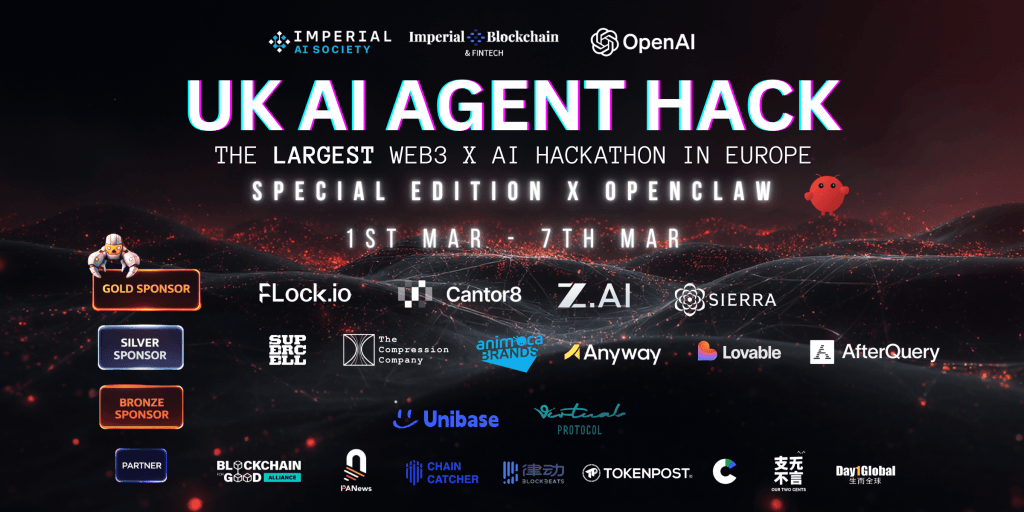
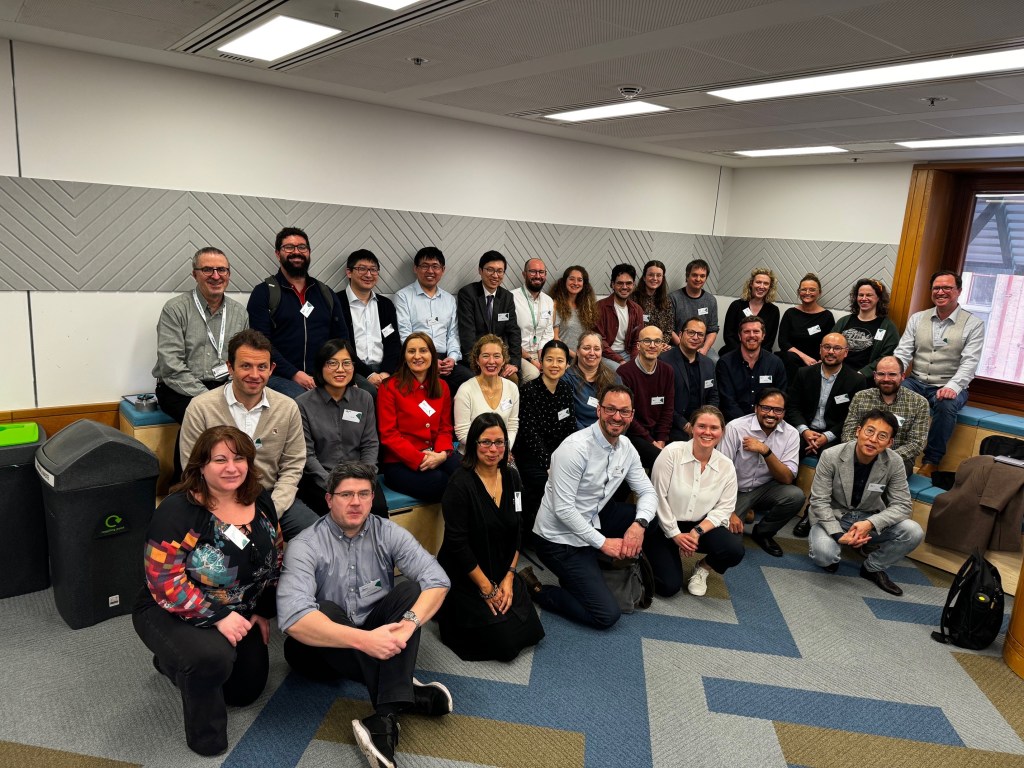
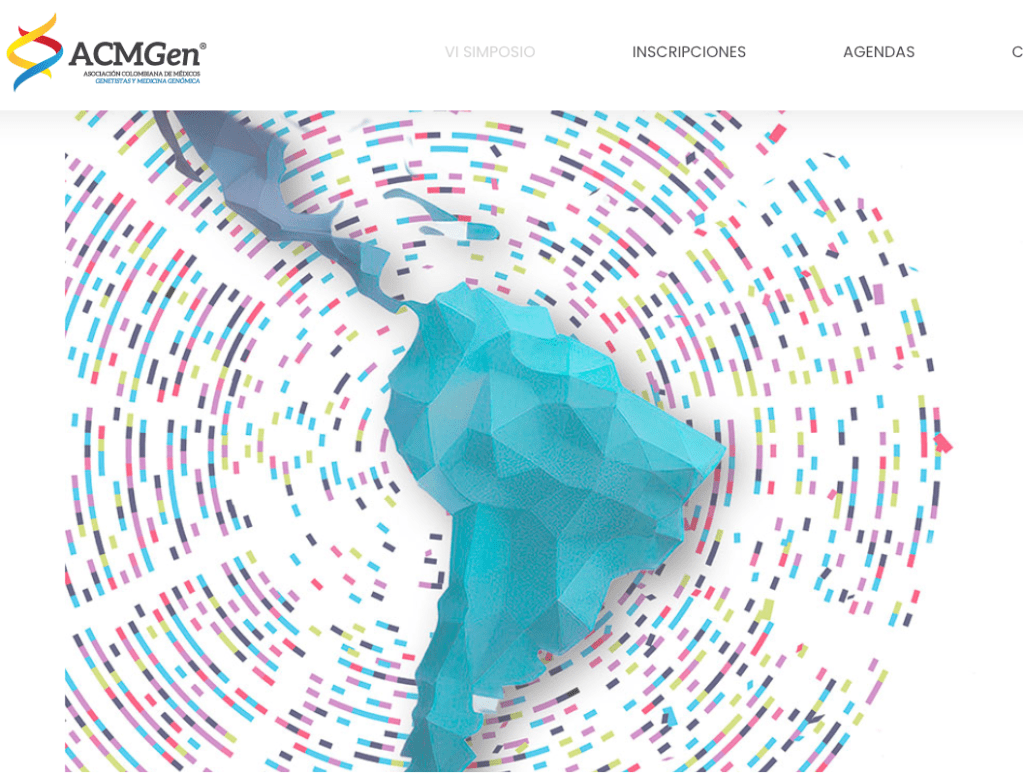
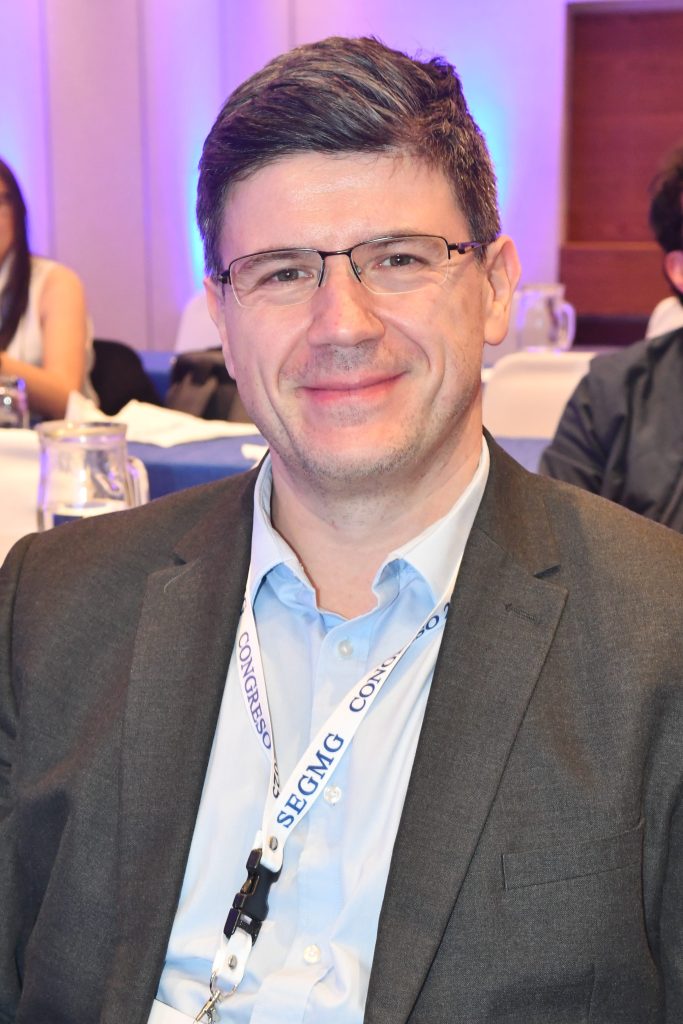
I convene the Congreso de Genómica, the Spanish Congress on Genomic Medicine, which brought 278 people from Latin America, the US, the UK, Germany and Spain to its first edition. I run the ClawBio hackathons in London, Berlin and Boston, through which 1,380 people have now passed. I teach genomics and AI in English and Spanish, across Europe and Latin America.
Speaking
- ESHG 2027, Rotterdam, 13 June 2027. Invited educational lecture: “Agentic Genomics: Building the Infrastructure for Clinical-Grade Interpretation at Population Scale”, in the session The Rise of Agentic AI.
- World Congress of Psychiatric Genetics 2026, Glasgow, 1 October 2026. Plenary: AI, genomics and health equity in psychiatry.
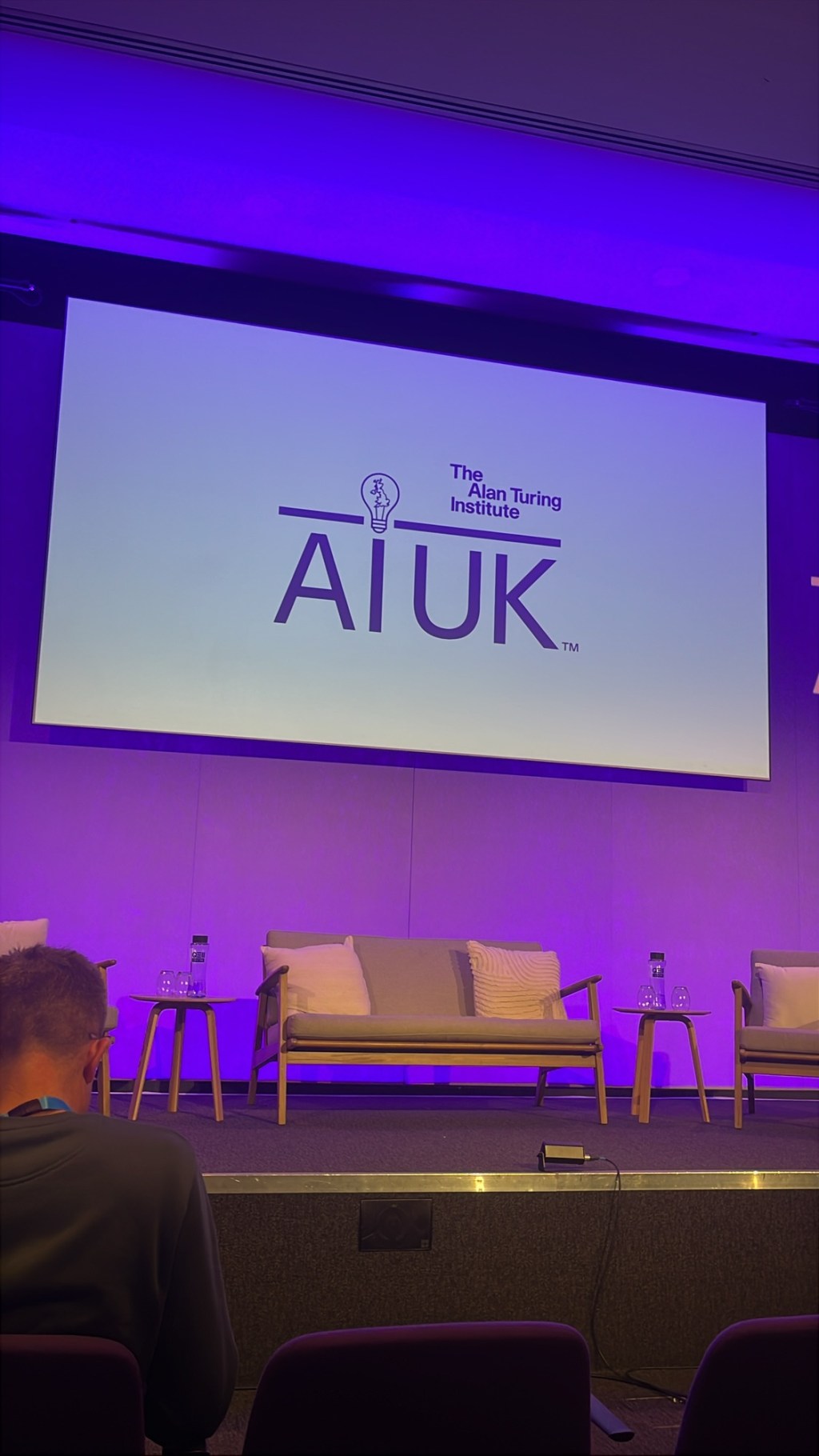
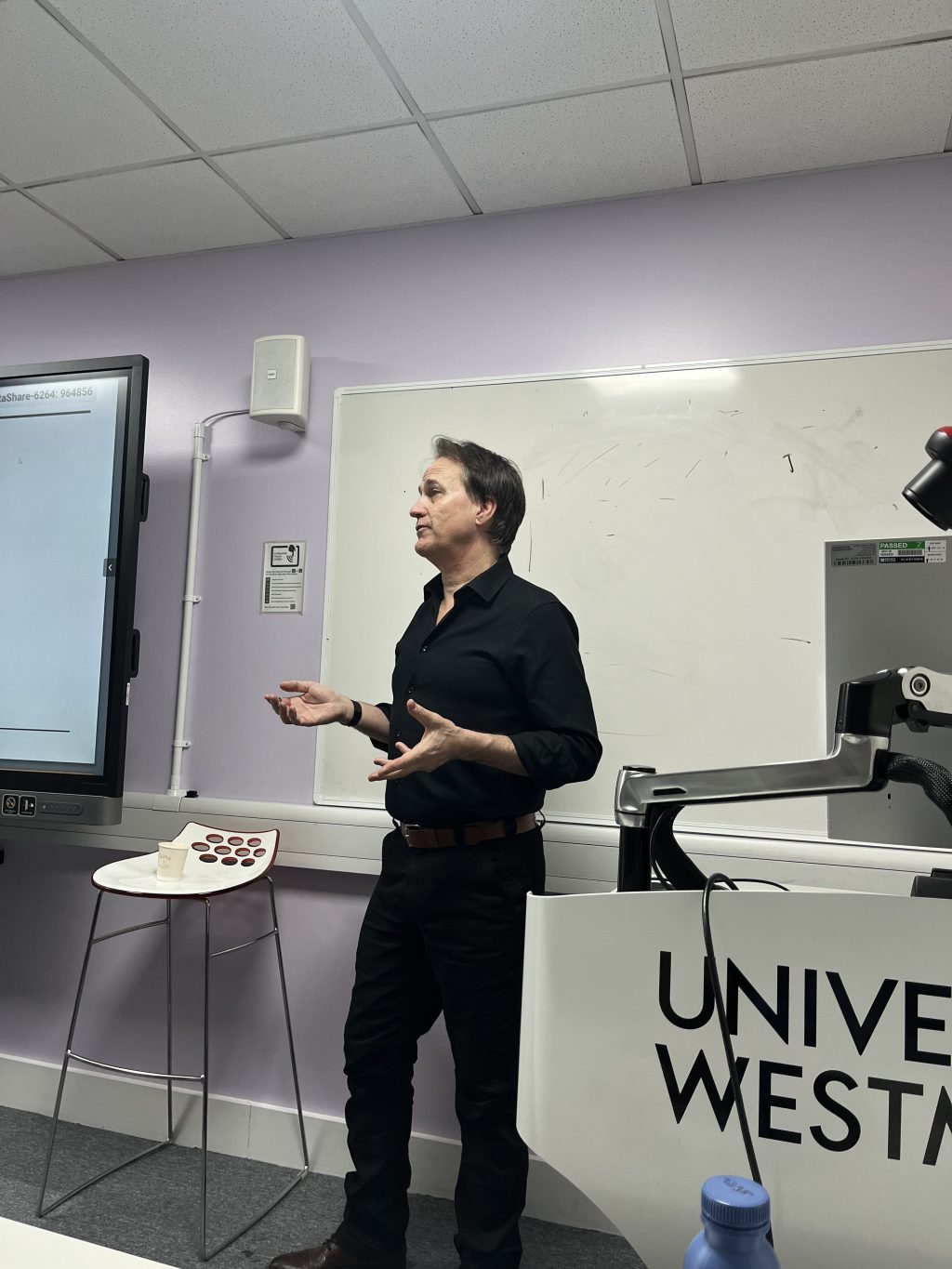
Recently at the UK Dementia Research Institute, the Francis Crick Institute, Imperial College London, Genomics England, the House of Lords and the Festival of Genomics. Every talk since 2016, plus the events I organise. Recordings on YouTube, conversations on the podcast.
Books
Five books on genomics and on working with AI, in English and Spanish, including a novel about what happens when a genetic test tells you how long you have. See the books.
Background
Visiting Researcher, University of Westminster. Co-founder and Chief Scientist of GENEQ Global. Founder of Cambridge Precision Medicine. Fellow of the Software Sustainability Institute. Contributor to GA4GH, ELIXIR-UK and GOBLET.
Elsewhere
LinkedIn | GitHub | YouTube | Podcast | X | ORCID | Wikipedia