This post is in relation to the story I posted a couple of days ago where I publish the mission of my upcoming trip to the Amazon.
As I gear up for my upcoming research expedition deep into the Amazon rainforest, one of the most critical aspects of my preparation is ensuring that I’m fully vaccinated and equipped to handle the unique health challenges of this remote environment. The Amazon, with its lush biodiversity and complex ecosystem, presents not only unique research opportunities but also potential health risks that require planning and preventive measures.
In this blog post, I’ll walk through the vaccines and health precautions I’m taking to prepare for this journey. These steps are essential not only for my own safety but also for ensuring that our research can be conducted smoothly and without interruption.
Why Health Preparations Matter
The Amazon is a region unlike any other. Its remote location, tropical climate, and dense forests create an environment where infectious diseases can thrive. This makes vaccinations and other health precautions a non-negotiable part of any expedition to this region. For me, these preparations are particularly crucial because our work will take us to some of the most isolated communities, where medical facilities may be minimal or non-existent.
Vaccines: The First Line of Defense
Here’s a rundown of the vaccines I need to have up-to-date before heading into the Amazon:
1. Yellow Fever
Yellow fever is endemic in the Amazon, and vaccination is mandatory for travellers to this region. I need to make sure I get vaccinated at least 10 days before my departure to allow time for immunity to build.
2. Hepatitis A and B
Hepatitis A and B vaccines protect against viruses that can be transmitted through contaminated food, water, or contact with blood. Given the remote locations we’ll be visiting, where sanitation standards may vary, these vaccines are essential. Hepatitis A is particularly important as it’s often spread through contaminated food and water, while Hepatitis B is more relevant if there is a risk of exposure to blood or bodily fluids.
3. Typhoid
Typhoid fever is another food and waterborne disease prevalent in tropical regions like the Amazon. The typhoid vaccine provides a layer of protection against this serious illness, which could severely impact my ability to conduct research if contracted.
4. Malaria Prevention
While not a vaccine, malaria prevention is a major concern in the Amazon. The region is known for its high malaria risk, particularly in areas with dense mosquito populations. I’ll be taking antimalarial medication, starting before the trip and continuing through my stay and after returning home. Additionally, I’ve stocked up on insect repellent and mosquito nets to minimise exposure to mosquitoes.
5. Tetanus, Diphtheria, and Pertussis (Tdap)
I’m also making sure that my Tdap vaccine is up to date. The Amazon’s environment, with its dense vegetation and potential for injuries, makes it vital to be protected against tetanus, while diphtheria and pertussis are less common but still worth guarding against.
6. Rabies
While rabies is rare, the potential for encountering wildlife in the Amazon makes this vaccine a precaution worth taking, especially given the remote nature of our expedition sites where access to post-exposure treatment could be limited.
Beyond Vaccines: Other Health Precautions
In addition to vaccines, I’m taking several other steps to safeguard my health during this expedition:
- Travel Clinic Consultation: I am consulting with a travel medicine specialist to ensure I am aware of all the potential health risks in the Amazon and that I have the necessary vaccines and medications.
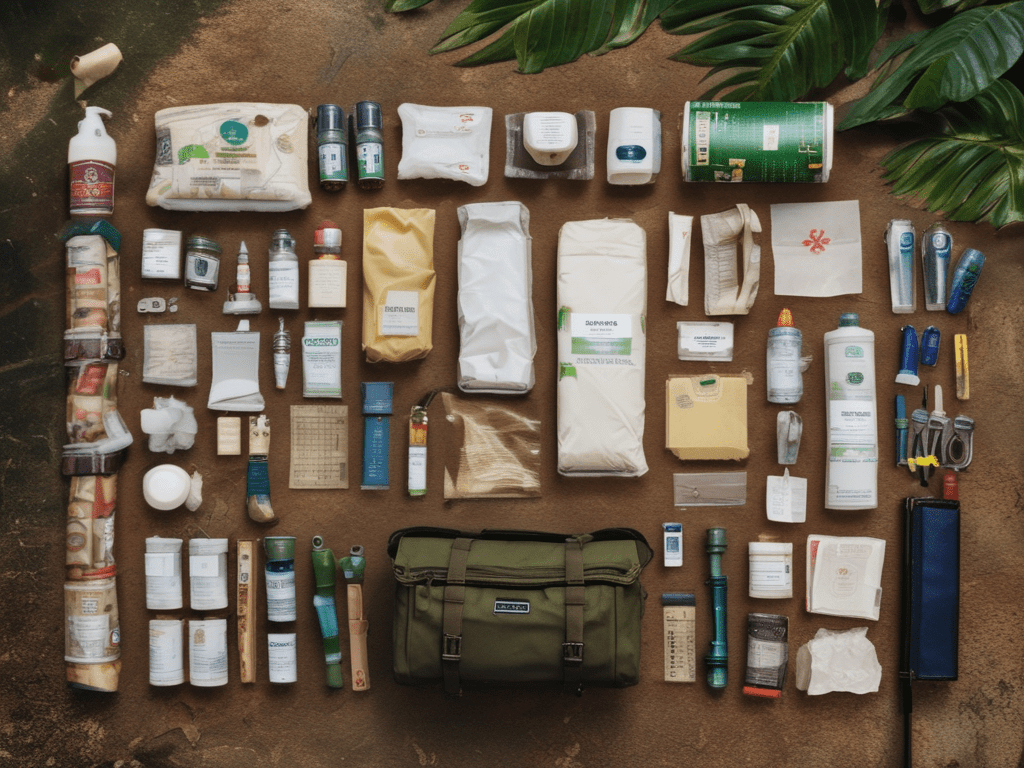
- First Aid Kit: I’m packing a comprehensive first aid kit, including treatments for common travel ailments like diarrhoea, as well as supplies for wound care, which is crucial in preventing infections in a tropical environment.
- Water and Food Safety: I’ll be carrying water purification tablets and ensuring that all food is thoroughly cooked. Even with vaccinations, avoiding exposure to contaminated food and water is the best preventive measure.
- Sun and Insect Protection: The tropical sun and the prevalence of insects mean that sunblock, insect repellent (with DEET), and protective clothing are essentials in my travel kit.
The Importance of Cultural Sensitivity in Health
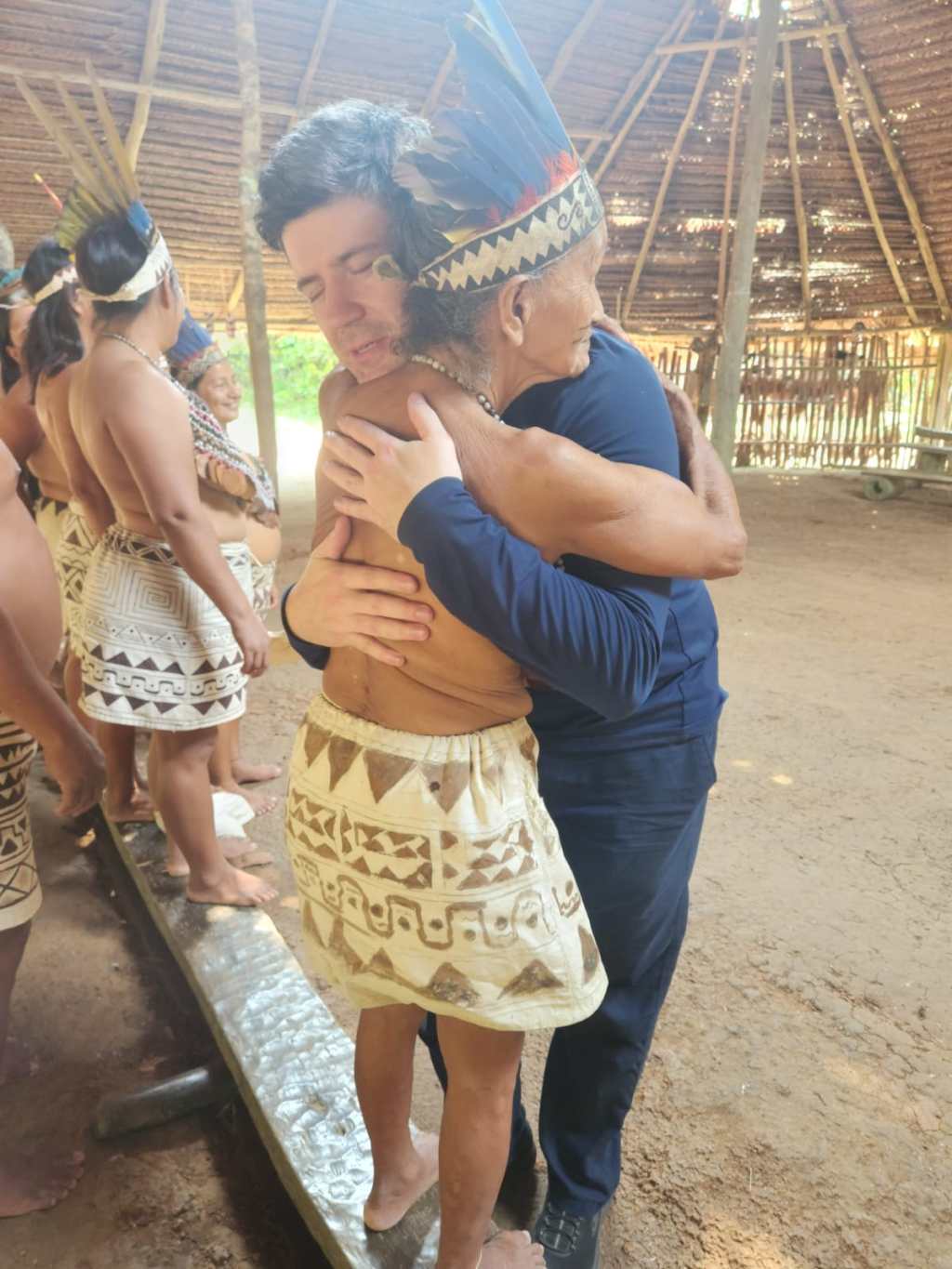
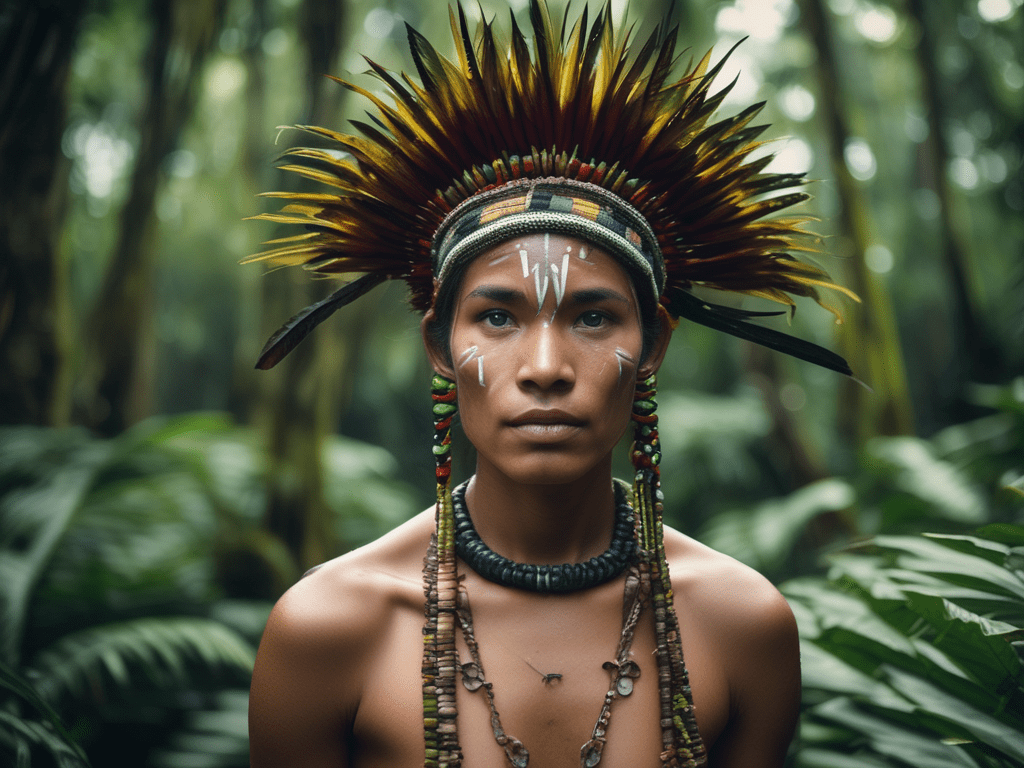
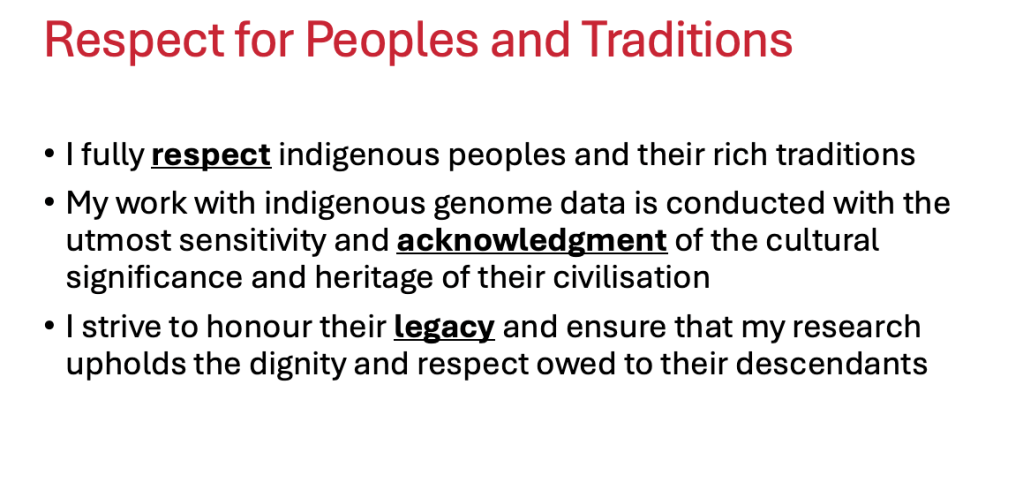
One of the key aspects of this expedition is our interaction with indigenous communities. It’s important that our health preparations extend beyond our own safety to ensure that we do not inadvertently introduce any health risks to the communities we visit. This means following strict protocols for hygiene, vaccination, and overall conduct during our interactions.
Final Thoughts
Preparing for an expedition into the Amazon is about much more than just packing the right gear—it’s about ensuring that we’re physically ready to face the challenges of such a remote and biologically rich environment. By taking these health precautions seriously, I’m not only protecting myself but also ensuring that our research can proceed without unnecessary risks or disruptions.
Stay tuned for more updates as we get closer to the expedition, and thank you for following along on this exciting adventure into the world of genomics and the Amazon.




































 Manuel Corpas
Leave a reply to Bringing Amazonian Genomics to the Global Stage: Media Impact and Knowledge Exchange – Manuel Corpas Cancel reply