
Imagine testing a navigation app in one city and announcing that it works everywhere. You would immediately ask what happened when the roads, signs or conditions changed.
Genomic research raises its own version of that question. Who was included in the evidence used to develop and evaluate a tool?
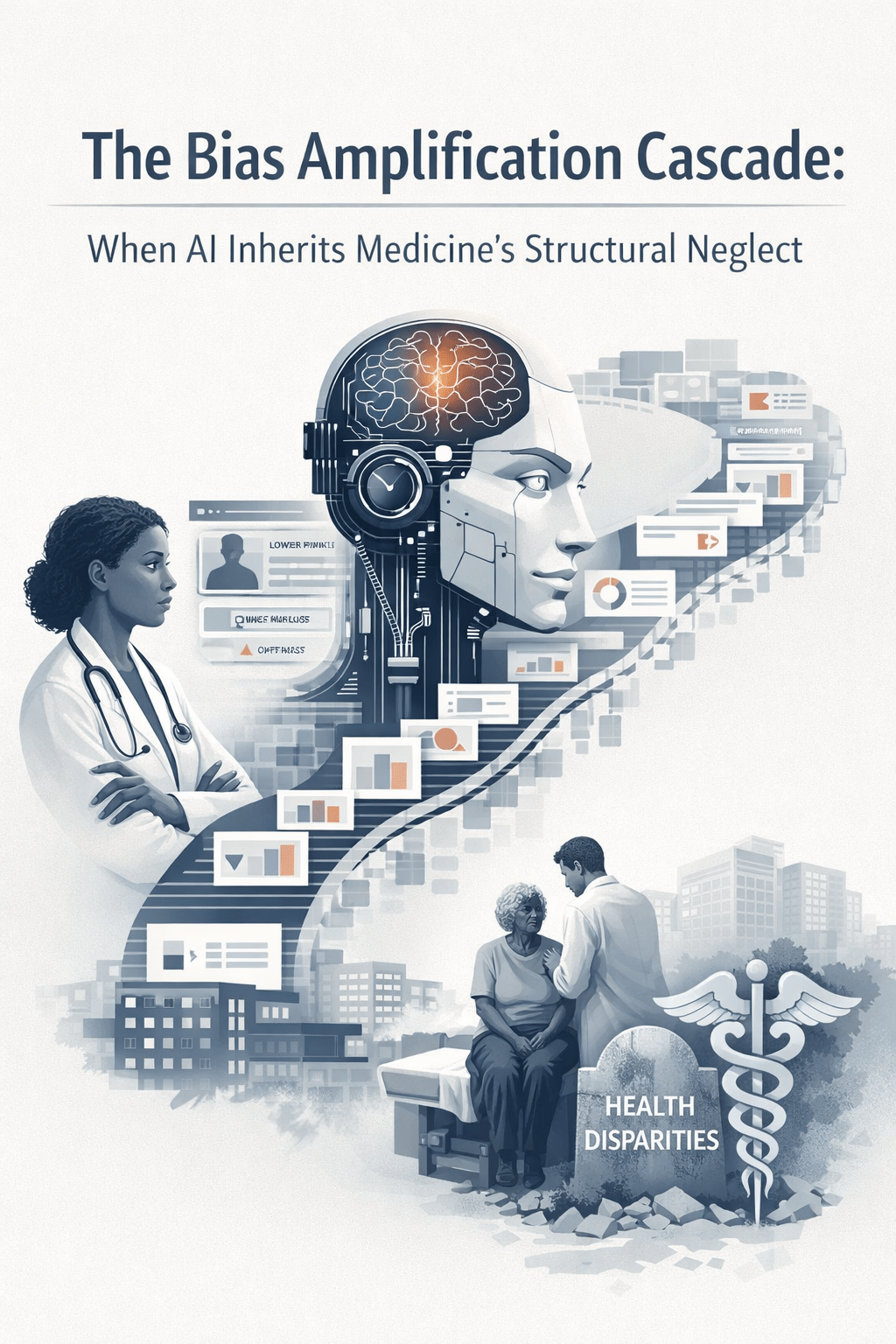
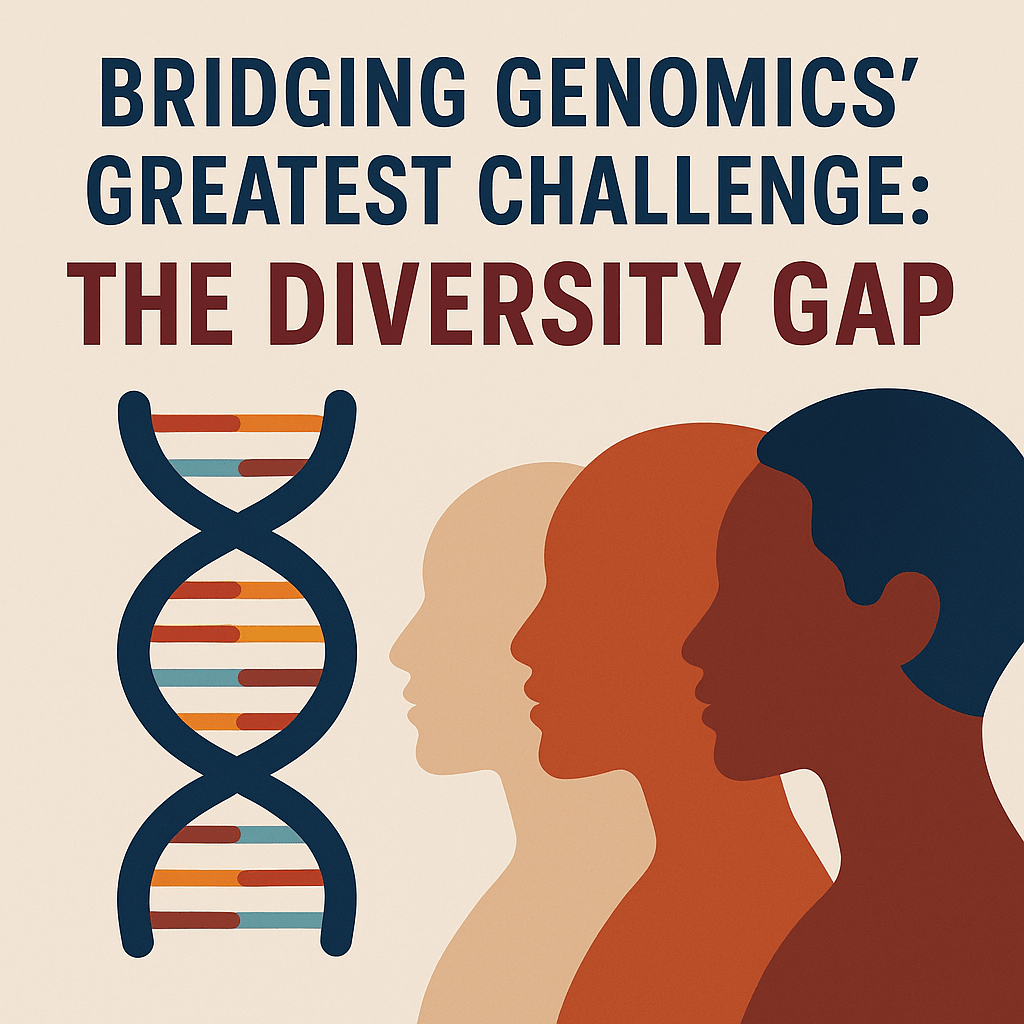
The National Human Genome Research Institute describes how the historical concentration of genomic research in people of European ancestry has left gaps in knowledge about other populations. This is a scientific limitation as well as a question of representation.
An example: genetic risk scores
A polygenic risk score combines information from many DNA variants to estimate a genetic contribution to the likelihood of a condition. It is one part of risk prediction, as this NHGRI explanation describes. Its usefulness needs to be evaluated in the populations and settings where it will be used.
AI does not remove that responsibility. Adding an automated explanation to an analysis does not establish that the underlying evidence applies equally to everyone.
Three questions worth asking
Who contributed to the research data? Who was included in the evaluation? Where is performance still uncertain?
These questions are more useful than assuming either that a tool works universally or that it cannot improve. Better evidence can change the answer. It should be clear what evidence is still needed.
For me, trustworthy genomic AI means keeping those limits visible. It means treating population coverage as something to examine in the results, rather than a reassuring sentence added at the end.
Research that shaped this question
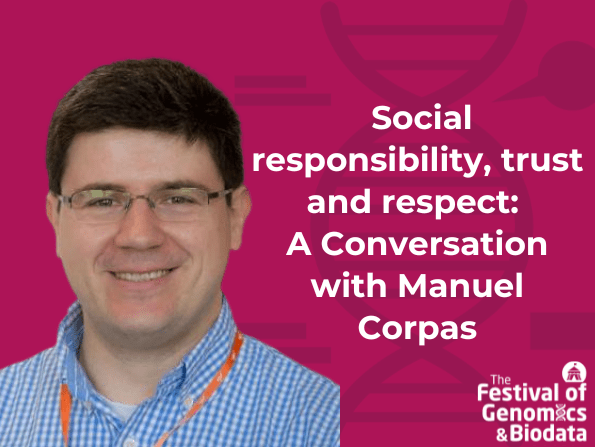
Segun Fatumo and I discuss this challenge in our 2023 editorial, Generalisation of genomic findings and applications of polygenic risk scores. We explain why broader population representation and careful translation matter when moving from genomic findings to useful health applications. It is an editorial, not a new clinical trial.
One influential contribution by other researchers is Alicia Martin and colleagues’ Clinical use of current polygenic risk scores may exacerbate health disparities (Nature Genetics, 2019). Their analyses documented ancestry-related differences in prediction performance. That historical finding does not decide the quality of every score available today. It shows why each tool needs evidence for the people and setting in which it will be used.
As you read the next claim about AI and DNA, look for who was tested as carefully as you look for the headline accuracy. Share this with someone who follows AI in health, and subscribe below for more plain-language explanations of genomics and scientific trust.


































Leave a Reply