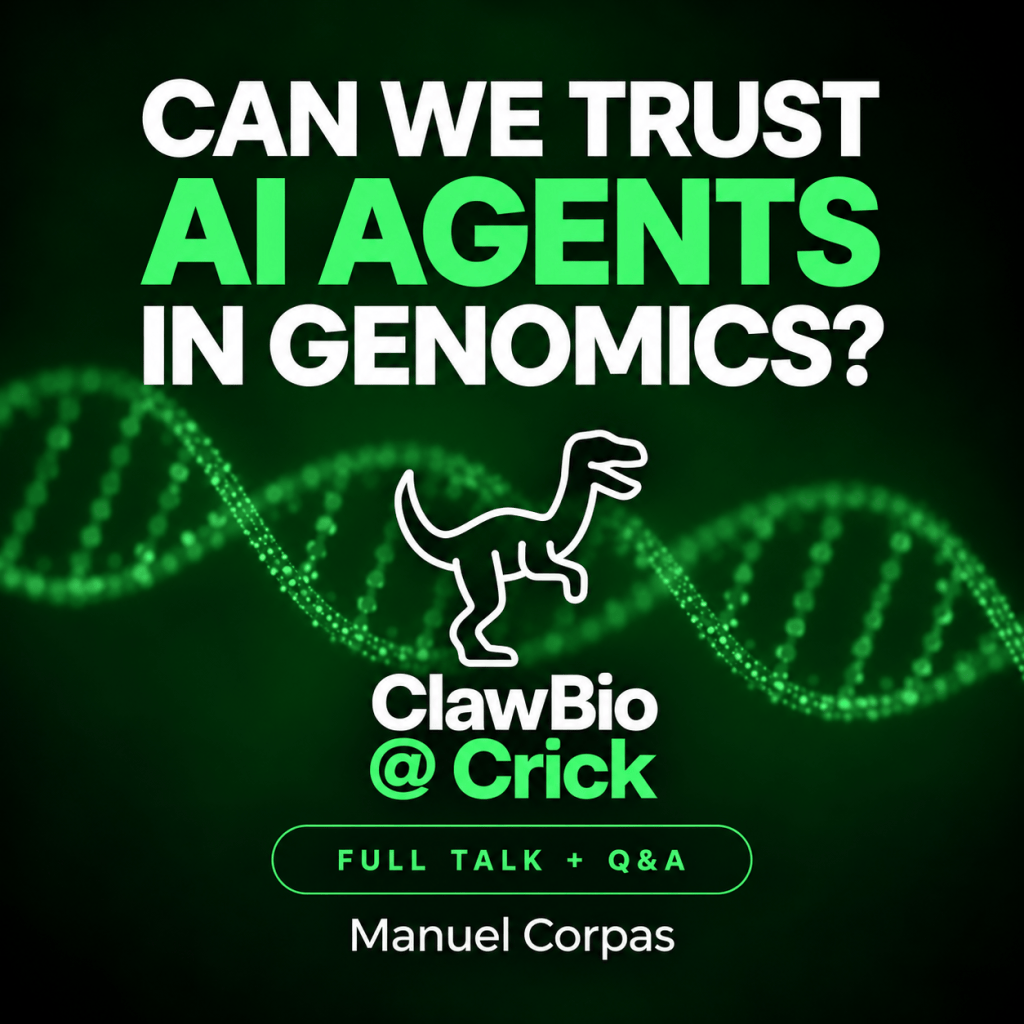
Watch my full Crick AI Club presentation and Q&A on ClawBio, scientific judgement and the move from computational pipelines to scientific agents.
For years, scientists have acted as the integration layer between computational tools. We choose the software, prepare the inputs, move files, resolve errors, interpret outputs and decide what happens next.
In my Crick AI Club talk, I describe this familiar arrangement in four words: the human is the API.
What changes when an AI agent can take a scientific objective and coordinate the computational work needed to investigate it? And what evidence would we need before trusting the result?
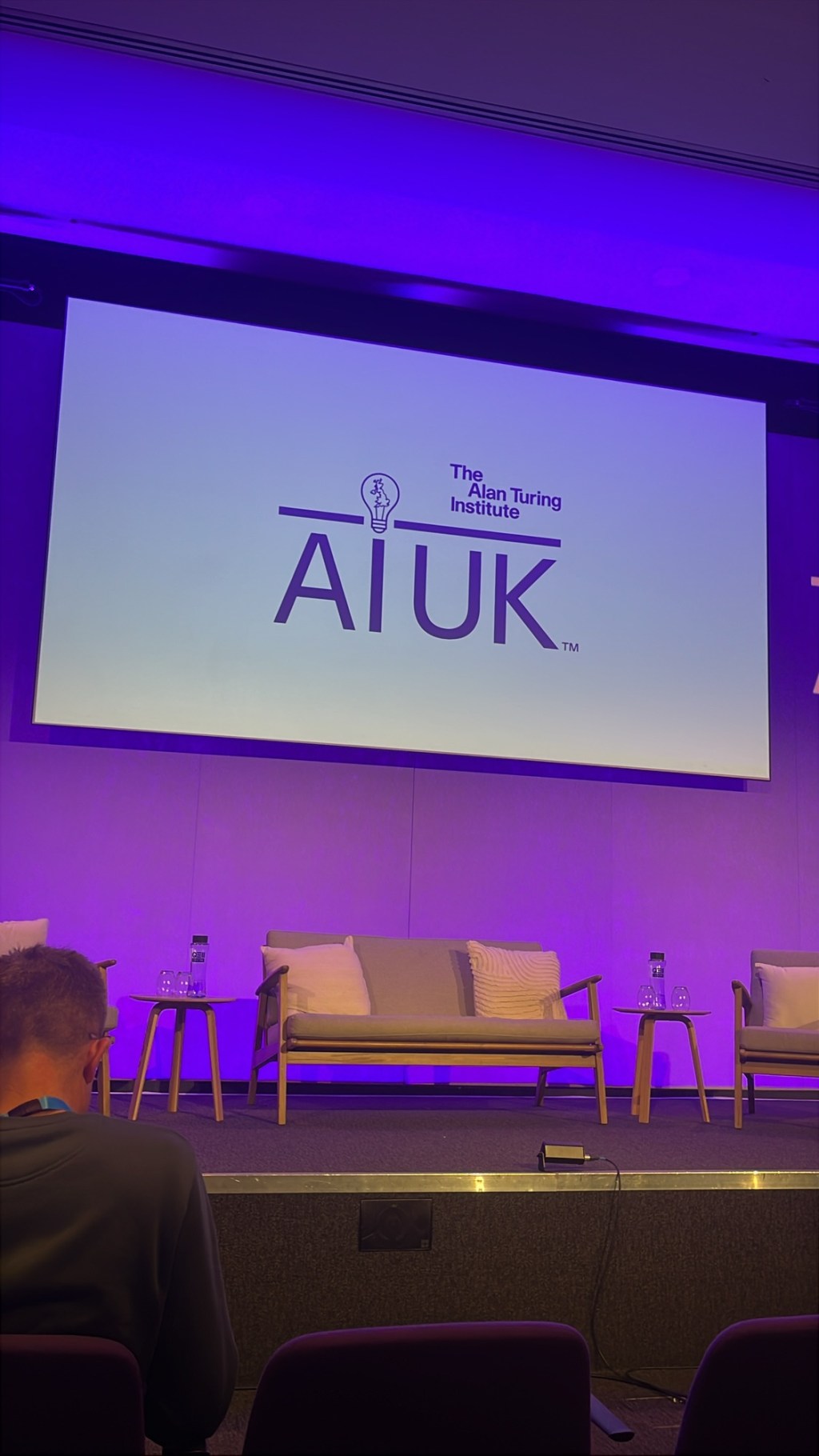
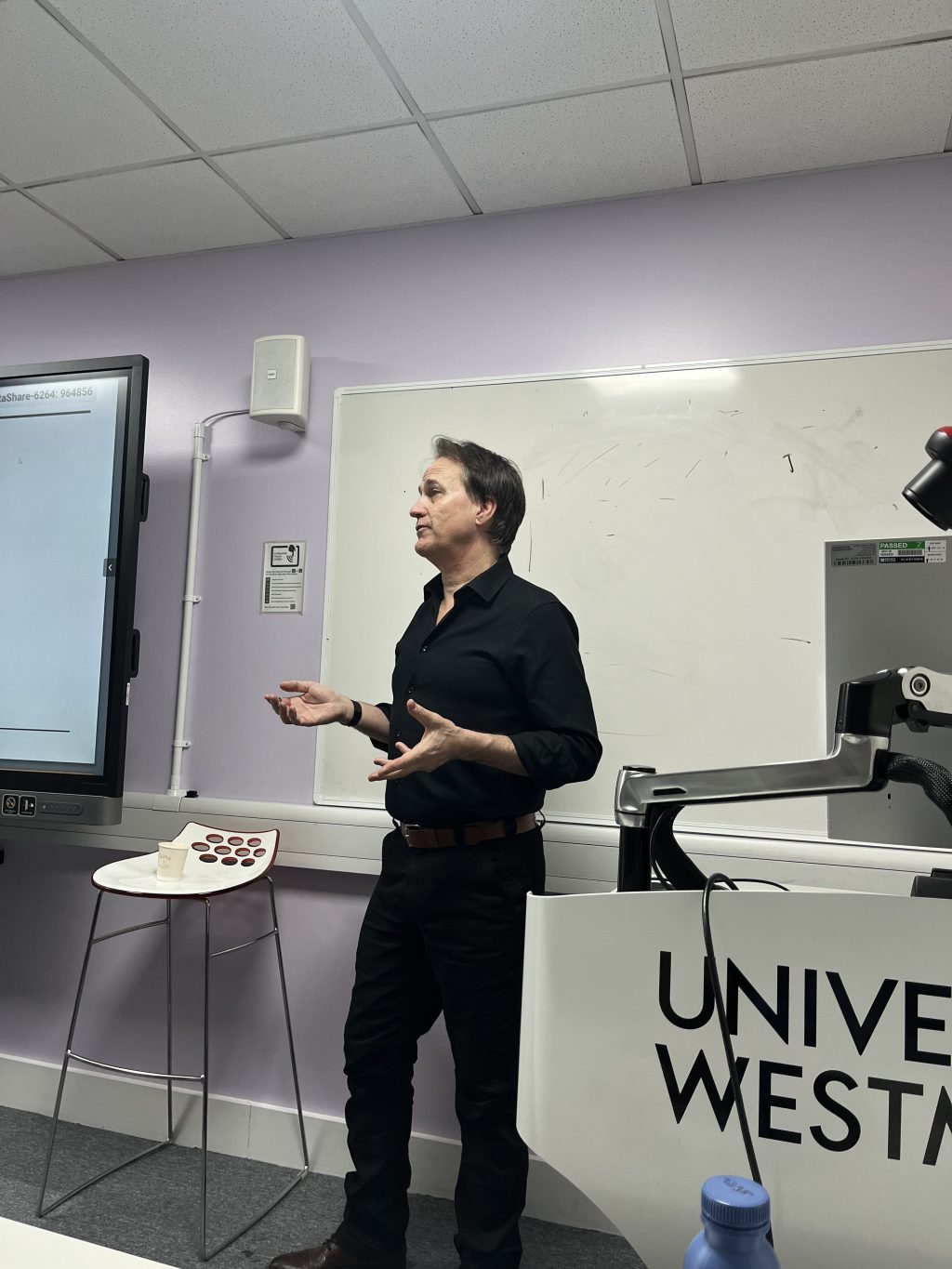
This is, in my view, the best presentation I have given on agentic genomics so far. The full room recording is now available, including the host introduction and audience Q&A, with English subtitles.
Watch the full presentation on YouTube.
Science after pipelines
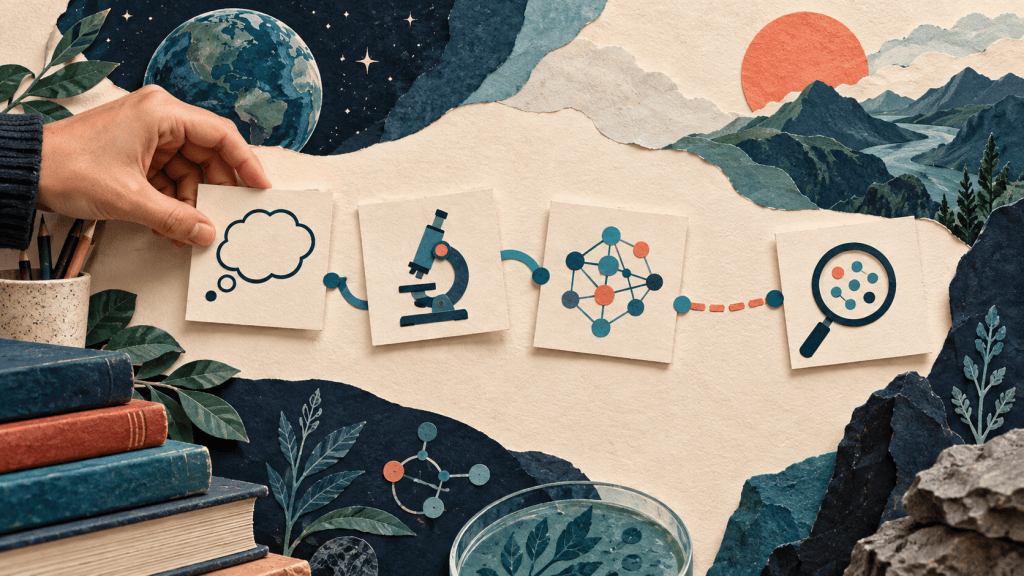
The talk begins with a change in the interface to scientific computation. Instead of manually specifying every step, we can ask an agent to work towards an objective: investigate a difference between cellular states, compare explanations or identify evidence that would distinguish competing hypotheses.
That possibility brings scientific judgement into sharper focus. Someone still needs to decide whether the question is useful, whether the method is appropriate and whether the evidence supports the conclusion.
As agents become more capable, those decisions become more consequential.
ClawBio and inspectable scientific methods
I introduce ClawBio through three responsibilities: reasoning, specification and execution.
The agent reasons about what to do. A scientific specification sets out how a capability should be used. The analytical software performs the computation. Making these responsibilities explicit gives us something we can inspect, test, reproduce and challenge.
This leads to an idea I find particularly promising: the scientific skill as an executable methods section. A method could be shared with instructions, code and evidence that help another researcher examine and reuse it.
Validated skills are necessary, but not sufficient
The talk uses pharmacogenomics experiments to explore what happens when agents receive validated rules. It also examines the limits of that approach, including the interpretation of inputs before a rule is applied.
The distinction matters. Reproducing an analysis does not establish that it is scientifically appropriate. Validating a component does not validate the whole process. The clinical questions require further evidence.
The questions that follow
The audience discussion asks how we should evaluate skills, how small teams might use agents, how scientists develop intuition, and what data security and reliability would mean in a healthcare setting.
These questions connect the architecture to the people who would use it. They also explain why I see human attention and scientific judgement as central to the next stage of computational genomics.
Watch and explore
- Full talk and Q&A, 56 minutes
- Start with the audience questions at 40:18
- Slides and presentation materials
- Explore ClawBio
- Read the documentation
- Connect with me on LinkedIn
Recorded at the Crick AI Club on 14 September 2026.
Which part of your scientific work should an agent be doing, and what evidence would you need before trusting it?



























Leave a Reply